User Onboarding Starts Before the Product
Why selling the outcome early shapes activation and retention

Turn insights into action with the Persuasive Patterns card decks
Master the science behind user motivation and create products that drive behavior.
Get your deck!User Onboarding Starts Before the Product
Most teams treat user onboarding as something that begins after signup. The user creates an account, lands inside the product, and is guided through a sequence of steps. That framing is incomplete. Onboarding begins earlier, at the very first moment someone encounters your product. That first touchpoint shapes how they understand what your product is, what it does, and whether it matters to them.
That understanding carries forward.
If it is wrong, everything that follows has to fight against it.
A user who arrives with the wrong expectation does not feel lost because your product is complex. They feel lost because they are trying to use it for something it was never meant to do. The interface becomes confusing not because of design, but because of misalignment. This is why the earliest stage of onboarding matters more than most teams realize. It sets the frame through which the entire experience is interpreted.
The Overlap Between Marketing and Onboarding
There is a tendency to separate marketing from onboarding. Marketing brings users in. Onboarding takes over once they arrive. In reality, they are part of the same flow. The first impression does not just attract attention. It defines the goal the user believes they are pursuing.
That belief shapes behavior.
“The first promise you make becomes the standard users measure everything against.”
When someone lands on your homepage or a landing page, they are already forming a mental model. They are asking themselves what this product will help them do. If that answer is vague or incorrect, onboarding becomes a process of correction instead of progression.
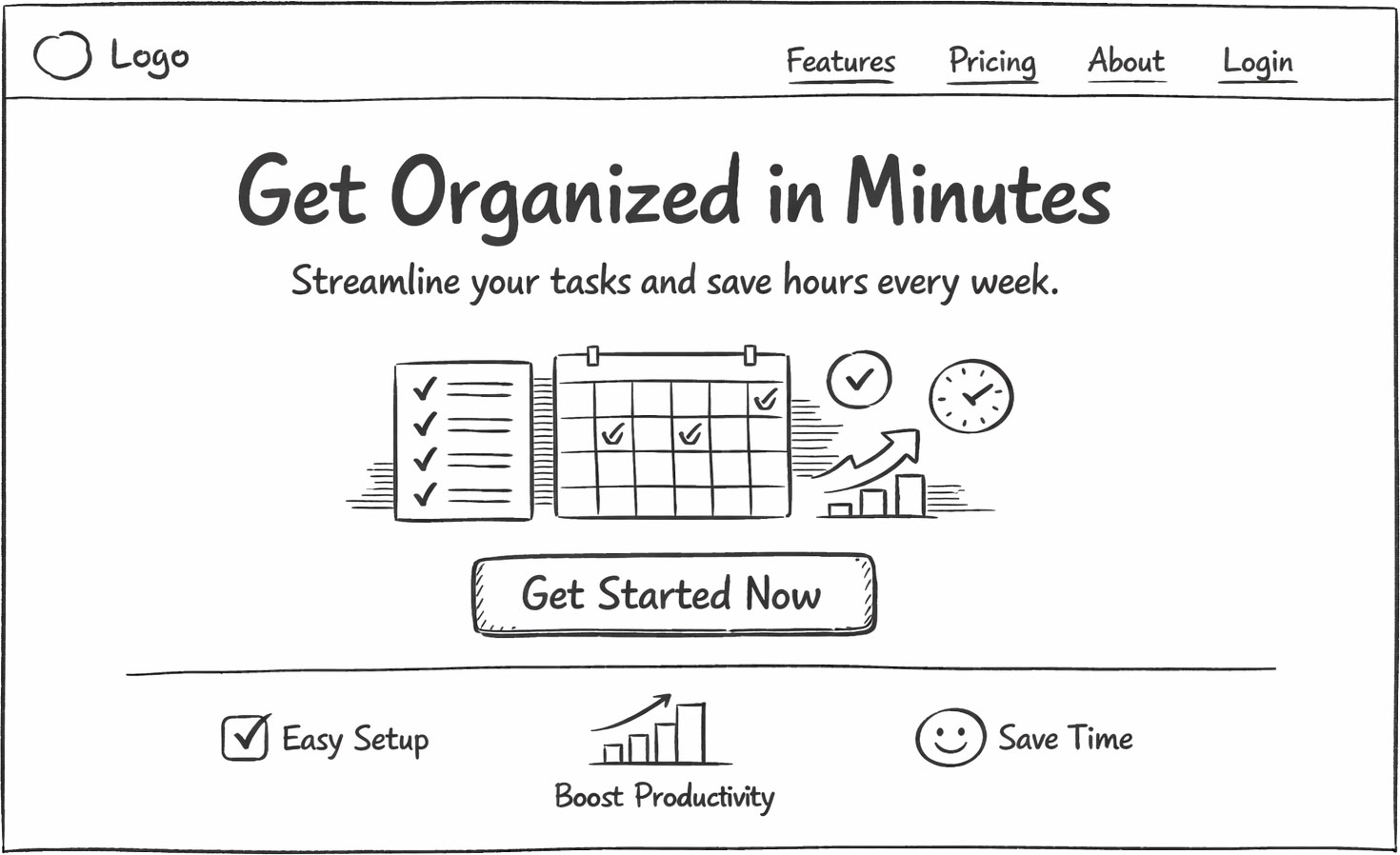
A clear articulation of value at this stage does two things at once. It helps people decide whether to engage with the product, and it gives direction to the onboarding experience that follows. Without that clarity, onboarding has no shared destination with the user.
Selling the Outcome, Not the Solution
When users first encounter your product, they are not looking for a feature list. They are trying to understand how their situation might improve. Describing the product through its components forces users to translate those components into meaning. That translation takes effort, and it often leads to incorrect assumptions.
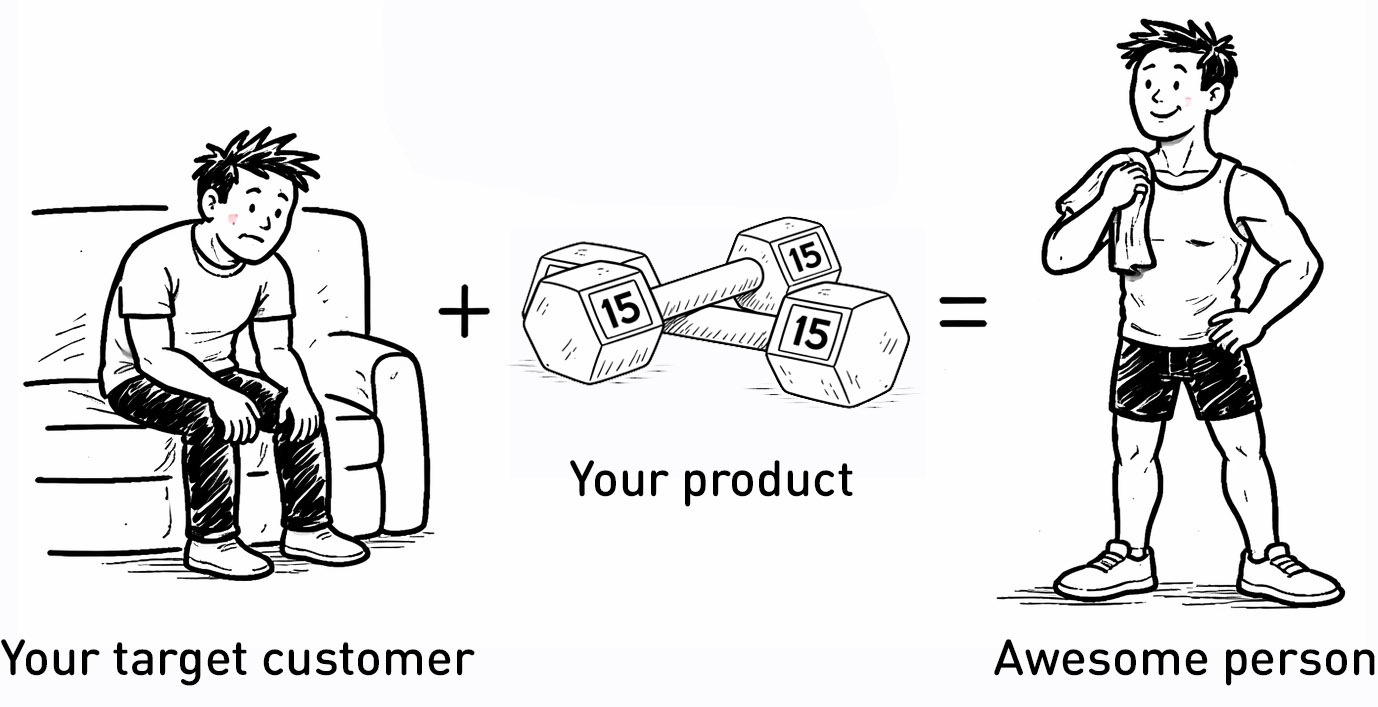
Clarity comes from describing the change.
A well-framed outcome gives users something concrete to evaluate. It answers the question of whether this product fits into their life or work. It also makes the experience easier to remember. People recall improvements more easily than they recall functionality.
“Users are not adopting your product. They are moving toward a better version of their work or their life.”
This framing becomes the foundation of onboarding.
Because onboarding is simply the process of helping users reach that outcome.
Setting the Direction for Onboarding
Once an outcome is clearly introduced, it begins to guide the structure of onboarding. The product no longer needs to introduce itself in abstract terms. It can orient every step around progress toward that specific result.
The difference is subtle but important.
Without a defined outcome, onboarding becomes exploratory. Users click through steps, follow instructions, and hope to understand how things fit together. With a defined outcome, each step has context. It exists for a reason that the user already understands.
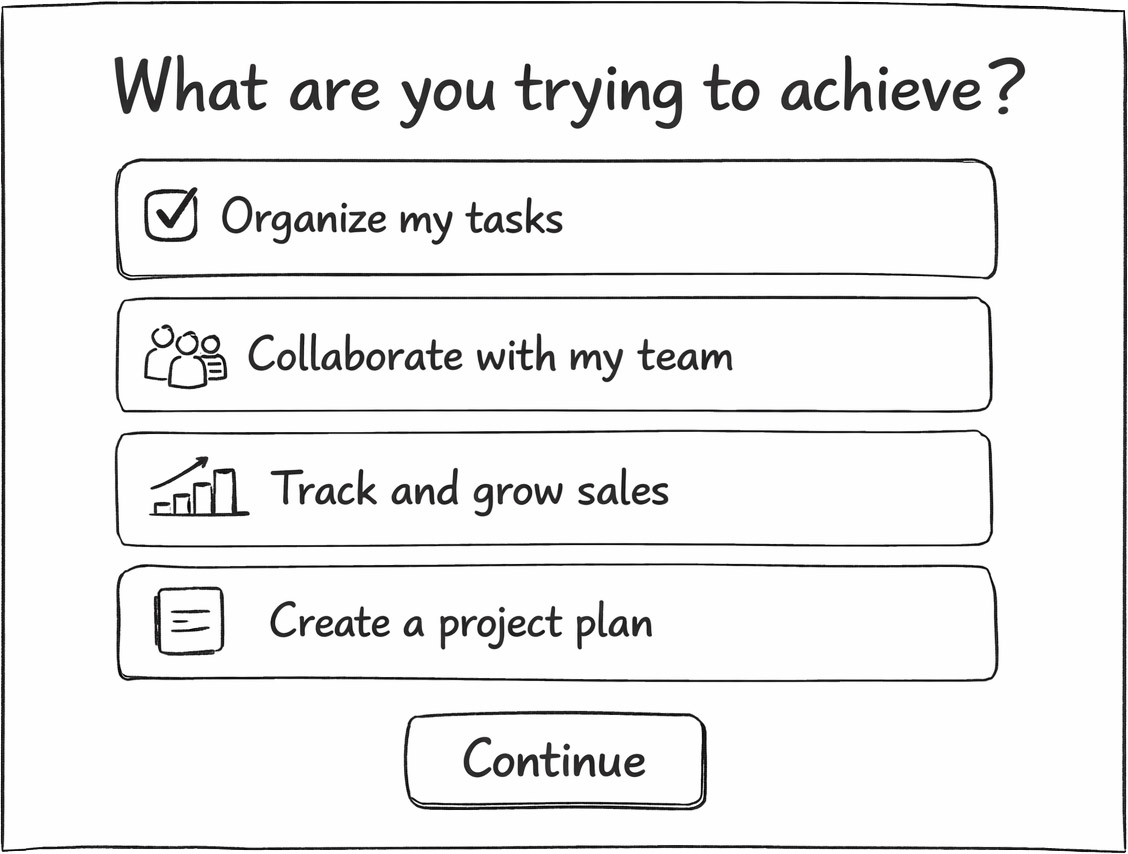
They are not just completing tasks.
They are making progress.
Start With the End State
A natural extension of this idea is to introduce the product through its end state. Showing what success looks like gives users a reference point before they begin. It allows them to connect the effort required with the result it produces.
This changes how onboarding feels.
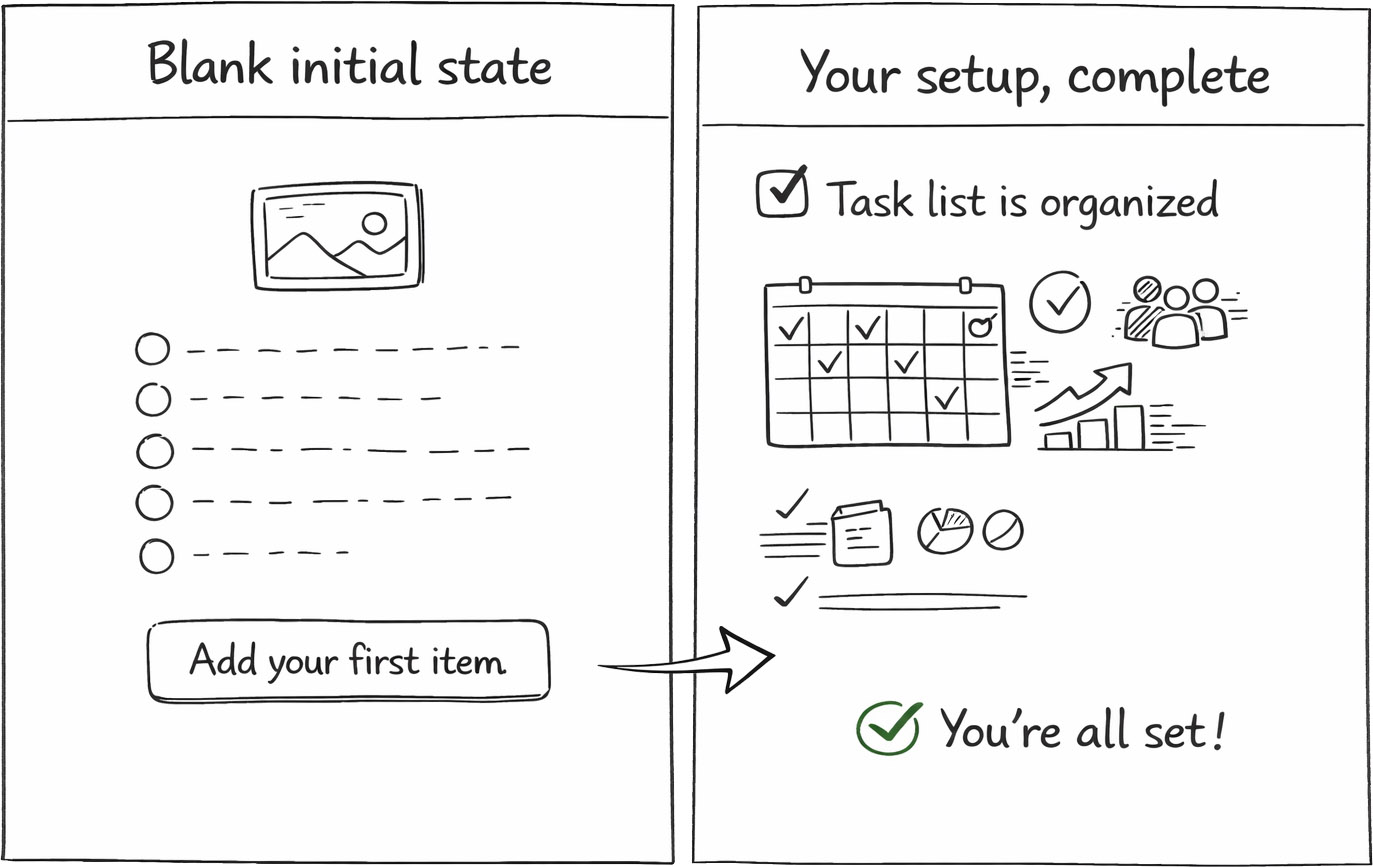
Instead of a sequence of instructions, it becomes a path toward something visible and understandable. Users can see what they are working toward, which makes it easier to stay engaged.
It also reduces uncertainty.
“Clarity about the outcome reduces hesitation about the process.”
Because the destination is clear.
Be Specific About the Improvement
General promises tend to blur together. They sound appealing, but they are difficult to act on. Specific improvements create a stronger connection because they are easier to imagine and easier to evaluate.
A user can picture saving time.
They can picture finishing a task faster.
They can picture having fewer things to manage.
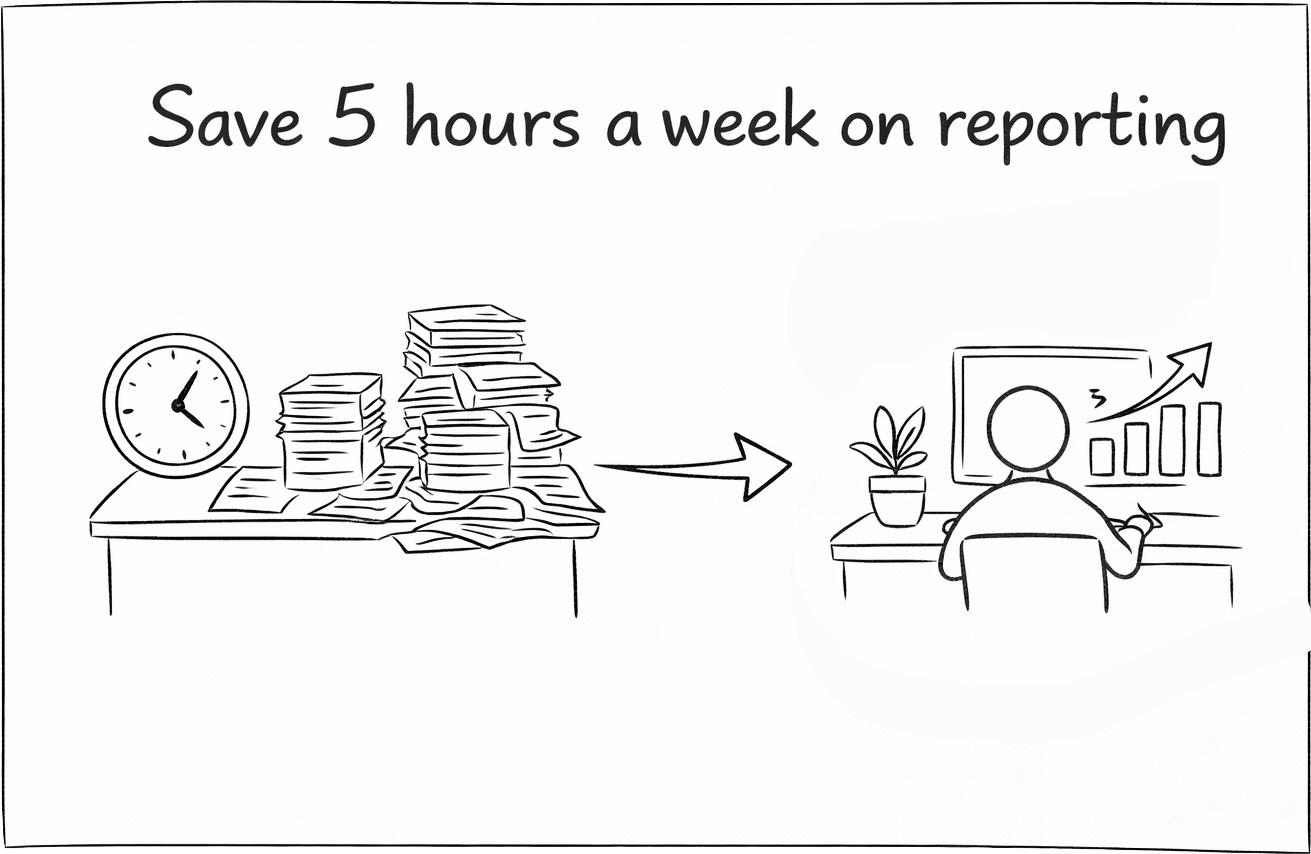
That specificity helps them decide whether the product is relevant. It also gives onboarding a clear target to aim for. The experience becomes about helping the user achieve that specific improvement as quickly as possible.
Consistency Across Every Touchpoint
By the time a user signs up, they may have encountered your product in several places. A homepage, a landing page, an ad, a recommendation. Each of these moments contributes to the same understanding.
When the message is consistent, that understanding becomes stronger.
“Every touchpoint should reinforce the same future.”
When it is not, users have to reconcile different interpretations. That creates friction before onboarding even begins. It also makes it harder for users to trust what they see once they are inside the product.
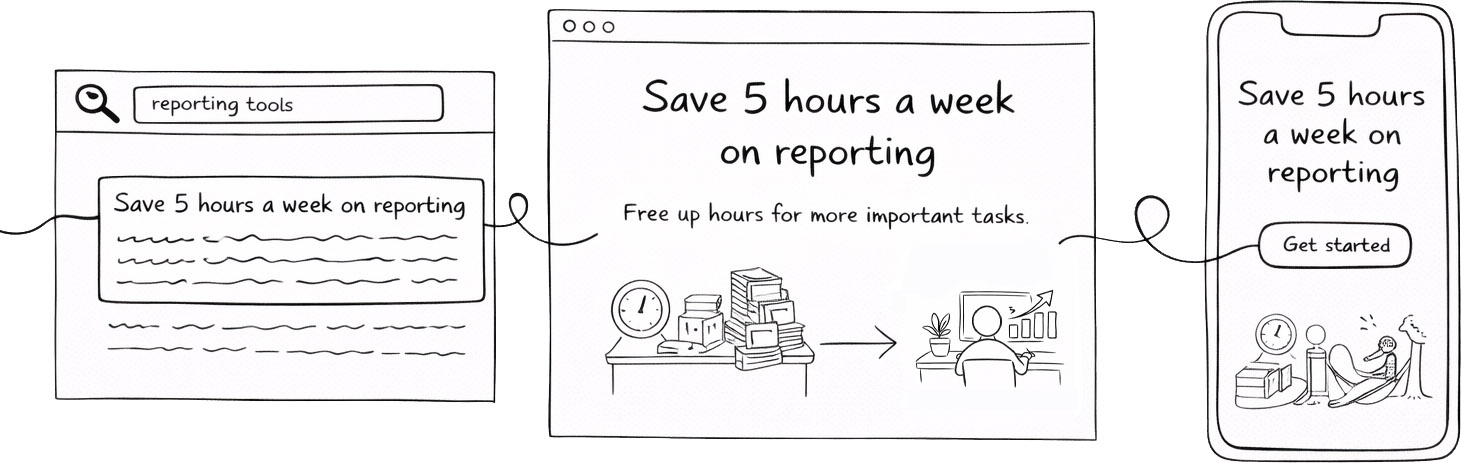
Consistency is not about repeating the same words. It is about reinforcing the same idea. The same improvement should be visible across every early touchpoint, expressed in ways that fit the context but point in the same direction.
Onboarding as the Beginning of a Relationship
When viewed through this lens, onboarding becomes less about guiding users through an interface and more about establishing a relationship. The early moments define expectations, build trust, and set direction. They determine whether users feel confident enough to continue.
Clarity at this stage benefits both sides.
- It helps the right users move forward with confidence.
- It helps the wrong users opt out early.
That alignment makes the rest of onboarding more effective. Instead of correcting misunderstandings, it can focus on helping users make progress.
A Simple Way to Evaluate Your Entry Point
Looking at your earliest touchpoints with a critical eye can reveal where onboarding begins to break down. A few questions can help surface issues quickly:
- Is the improvement clearly stated and easy to understand?
- Can a new user picture what success looks like?
- Does the message remain consistent across different entry points?
- Does the experience attract the users it is meant to serve?
These questions are not about optimization in a narrow sense. They are about alignment. When the answers are clear, onboarding becomes easier to design and easier to experience.
Start With the Promise
User onboarding begins with a promise.
A promise about how something will improve.
Everything that follows either reinforces that promise or weakens it. When the promise is clear and consistent from the very beginning, onboarding feels like a natural progression. When it is not, onboarding has to compensate.
The difference shows up quickly.
In how users engage.
In how they understand.
In whether they continue.
And it all starts before they ever sign up.
- From First Run to the Long Run by Krys Higgins
- Engaging New Users with a Personal Focus by Krys Higgins
- Your User Onboarding Flow Is Too Shortsighted by Appcues