Why: Promote clarity, enhance collaboration, and mitigate potential misunderstandings in team roles
When: Useful for forming or restructuring teams – or in case of confusion or conflict regarding tasks and responsibilities
Instructions for running this play
- Introduce the exercise. Describe the purpose of the exercise, expected outcomes, and time constraints. Highlight the necessity of mutual respect and open communication.
- Identify Roles. In this stage, specify every role present in the team (e.g., Product Manager, Tech lead, Designer) and write them on a board.
- Individual Assessment of Roles. Provide 5 minutes for everyone to Silent Storm their own responsibilities in their specific roles. Limit this to a maximum of 5 points per person, each on a separate sticky note.
- Peer Assessment of Roles. Allocate 5 minutes for everyone to Silent Storm 1-3 responsibilities they believe correspond to each of the other roles in the team. Any responsibilities perceived as unassigned should also be noted.
- Discussion. Discuss each role and its associated responsibilities, one at a time. Have each person explain their own responsibilities and compare these with others’ perceptions. Negotiate and seek agreement on conflicting points. Unassigned responsibilities should also be assigned during this stage.
- Summary and Next Steps. Summarize the agreed roles and responsibilities and ensure everyone is aligned. Discuss how these role assignments will be monitored and when they should be reviewed. Consider running a Who/What/When exercise to assign responsibilities.
Tips to perfect this play
Master and adapt the play to fit your context and needs.
Tip: Use predefined list
Consider distributing a predefined list of responsibilities rather than brainstorming from scratch
Tip: Enhance clarity
The purpose is to enhance clarity and to foster collaboration within the team.
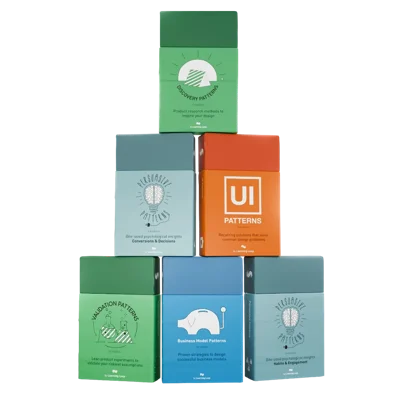
Every card deck includes workshop patterns, so your team can put the methods to work in your next session.
Running behavioral design workshops? The Persuasive Patterns Workshop Playbook (PDF) shows you how to design and run them.
Browse the card decksRelated plays
- Roles & Responsibilities by Hyper Island
- How to facilitate a team roles and responsibilities workshop by Monica Viggars
- A Guide on How to Facilitate a Roles and Responsibilities Workshop by Isadora Serpa
- Roles & Responsibilities for Product Teams template by Thomas Gläser
- Roles and Responsibilities by Atlassian