Onboarding as a product-led growth multiplier
How inviting, sharing, collaboration, and team adoption can turn individual onboarding value into shared product-led growth
Design for behavior change with the Persuasive Patterns card decks
Apply psychological principles to influence decisions, increase engagement, and optimize user experience.
Get your deck!Onboarding usually starts with one user, but growth rarely ends there
Most onboarding theory begins with one individual user.
A person arrives with a goal. The product has made a promise. The user is trying to understand whether that promise applies to them, whether the product can help, and whether the effort required to continue is worth it. Good onboarding then helps that user reach a first moment of value, return after the first session, repeat the meaningful behavior, and eventually expand into deeper use.
That individual journey matters. Without it, very little else can happen. A user who never understands the product’s value is unlikely to return. A user who cannot complete the first meaningful action is unlikely to build a habit. A user who does not trust the product enough to use it alone is unlikely to bring other people into it. Individual activation is therefore still the foundation of onboarding.
But for many products, it is not the full story.
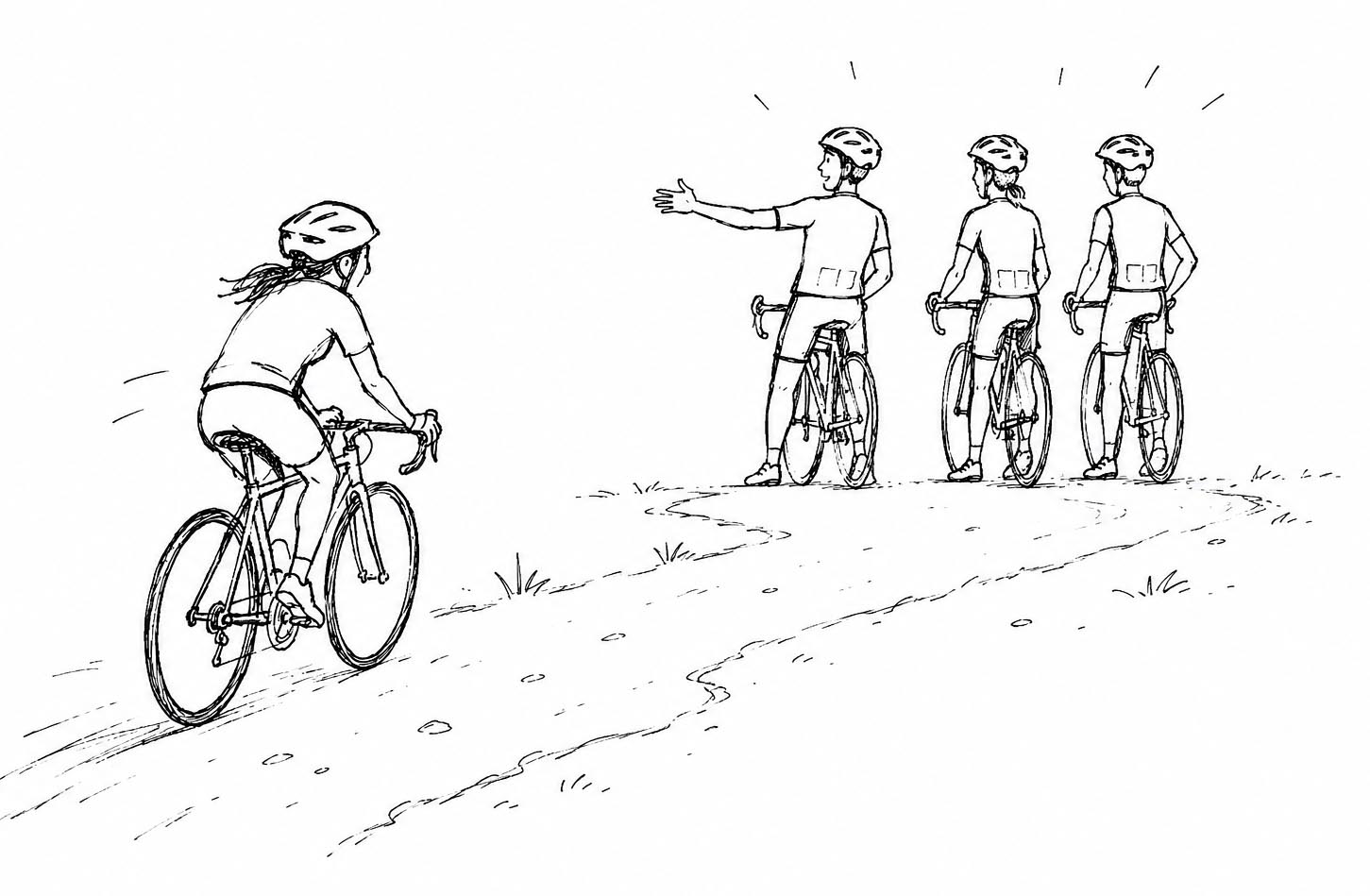
Some products become more valuable when other people participate. A document becomes more useful when it is shared. A project management tool becomes more useful when a team joins. A design tool becomes more useful when others can comment, review, and approve. A calendar, CRM, messaging product, file-sharing system, marketplace, or workflow platform often depends on other people for its full value to emerge.
In these products, onboarding cannot be understood only as the process of helping one user succeed. The first user may matter a great deal, but their success is often only the beginning of a broader chain of value. They create something, invite someone, share an artifact, assign a task, request feedback, publish a workspace, or pull another person into a shared flow. The product begins as an individual experience, but it becomes more durable when use becomes social.
This is where product-led growth multipliers begin: invitations, sharing, collaboration, and team adoption become multipliers when they help one user’s value expand into shared use.
This changes the role of onboarding. The goal is no longer only to help one user reach value. It is to help one user create the conditions for others to reach value too.
That distinction matters because many teams treat social actions as growth tactics rather than onboarding moments. They ask users to invite teammates because the company wants more users. They ask users to share because sharing drives distribution. They ask users to import contacts, connect an address book, or send invitations because those actions support product-led growth.
But from the user’s perspective, inviting another person is not primarily a growth action. It is a social action. It asks the user to spend trust, attention, reputation, and sometimes authority. The user is not merely clicking a button. They are asking someone else to pay attention, join a space, review something, contribute work, or change part of their own routine.
That means social onboarding has to earn its moment.
Where product-led growth and onboarding meet
Product-led growth is often discussed in terms of loops, virality, referrals, expansion, and network effects. Those concepts are useful, but they can make growth feel separate from the psychology of onboarding.
In reality, the same behavioral questions still apply.
- Does the user have a reason to act?
- Are they capable of taking the action?
- Is the context right for that action to happen now?
A user with low motivation will not invite others just because an invitation button exists. A user with low capability may not know who to invite, what to share, or how to explain the value. A user in the wrong context may postpone the action because they need permission, preparation, or confidence before involving someone else.
This is why social onboarding should not be treated as a separate growth layer placed on top of activation. It is part of the same journey. First, the user needs to understand the value for themselves. Then they need to see how that value extends to others. Only then does inviting, sharing, or collaborating become a natural next step rather than an interruption.
The strongest product-led onboarding moments do not ask users to promote the product. They help users move their own work forward by involving the right people at the right time.
A report is ready to be shared. A teammate is needed to complete a task. A manager needs visibility. A client needs to approve something. In each case, the social action is not detached from the user’s goal. It is the next meaningful step in the user’s own progress.
That is the central premise of this article.
Onboarding usually starts with one user, but growth rarely ends there. In many products, value expands as it moves between people. The role of onboarding is to help that transition happen well: not by forcing invitations too early, not by treating users as distribution channels, and not by confusing contact import with collaboration, but by helping individual value become shared value.
When that happens, onboarding does more than activate a user. It begins to activate a network of people, artifacts, responsibilities, and return paths around the product.
From individual activation to shared activation
Activation is usually described as an individual event where the user reaches the point where the product becomes valuable to them. They create their first project, send their first message, publish their first page, import their first dataset, complete their first workflow, or experience the moment where the product finally makes sense. Until that point, the product is mostly a promise. After that point, it becomes a tool the user can imagine returning to.
This is individual activation, and it is an important milestone for any product. It is the point where the product is no longer abstract and the user has personally recognized value. I have previously described this as the first moment of real value: the moment where the user does not merely understand what the product does, but understands why it matters for them.
But in many products, there is another kind of activation that happens after or alongside individual activation.
Shared activation happens when value begins to move between people.
A user creates a document and shares it with a colleague. A manager creates a project and invites a team. A designer uploads a file and receives feedback. A developer opens a pull request. A teacher creates a lesson and sends it to students. In each case, the product has moved beyond private value.
The original user may still be the starting point, but the product now contains a relationship between people. Someone is asked to view, comment, approve, contribute, respond, complete, edit, assign, or decide. The product is no longer only helping one person complete a task. It is helping people coordinate around a shared object, a shared goal, or a shared responsibility.
Some products do not become durable only through repeated individual use. They become durable through shared context.
A note-taking app can be useful to one person, but a shared knowledge base becomes more useful when others depend on it. A project management tool can help one person organize tasks, but it becomes more durable when the team uses it to coordinate work. A file-sharing product can store files for one user, but it becomes part of a workflow when files are reviewed, approved, and reused by others.
The same is true of shared artifacts, shared history, and shared routines.
- Shared artifacts are objects that multiple people can use or build on: documents, dashboards, projects, boards, folders, reports, tasks, designs, templates, or datasets. They persist beyond one user’s session. They can be returned to, improved, discussed, and reused.
- Shared history is the record of what has happened: comments, decisions, approvals, edits, messages, assignments, activity logs, and previous work. It creates value because people no longer have to reconstruct context from memory.
- Shared routines are repeated patterns of coordination: weekly planning, review cycles, status updates, client approvals, team standups, reporting, handoffs, or recurring collaboration. They create value because the product becomes part of how people work together over time.
These forms of shared value are different from individual activation. In individual activation, the primary concern is whether one user understands the product. In shared activation, the concern is whether the product has become useful between people.
Product teams often optimize the first-run experience, the activation event, the checklist, and the initial workflow. Then they add invitations somewhere in the interface and assume the social layer will take care of itself.
But social use has its own activation problem. The invited user may not know why they were invited. The recipient may not understand what action is expected. The collaborator may not have enough context to contribute. The manager may want visibility but not day-to-day involvement. The original user may know what they created, but not how to bring others into it in a way that feels useful and clear.
Shared activation is not automatic. It has to be designed.
Individual onboarding helps a person understand what the product can do for them. Social onboarding helps them understand what the product can help them do with others.
That shift changes the questions designers need to ask. It is no longer enough to ask whether the first user reached value. We also need to ask whether that value can be extended.
- What has the user created that someone else would care about?
- Who else needs to participate for the outcome to become more complete?
- What does the next person need to understand when they arrive?
- What context should travel with the invitation?
- What action should the recipient take first?
- What brings the original user back after someone else responds?
These questions are not secondary growth questions. They are onboarding questions.
Shared activation marks the moment where the product begins to matter beyond the first user. Once another person responds, comments, contributes, or depends on the shared space, the product gains a new kind of gravity. The original user has a reason to return. The recipient has a reason to engage. The shared artifact becomes more valuable because it carries contribution, context, and expectation.
That is the beginning of product-led growth in the deepest sense. Not because a viral loop has been triggered, but because the product has helped value move from one person to another.
The first shared object
In individual onboarding, the goal is often the first moment of real value. The user does something, sees a result, and understands why the product matters. The experience shifts from abstract promise to personal relevance. The product is no longer just something they signed up for. It has helped them accomplish something.
In collaborative onboarding, there is a related but different milestone: the first shared object.
A first shared object is the first thing inside the product that creates value between people. It might be a document that receives feedback, a project with assigned tasks, a file someone comments on, a message that receives a reply, or a workspace where multiple people begin contributing. The object itself can take many forms, but the important part is that it gives more than one person a reason to participate.
This is the social equivalent of the Aha moment.
Before the first shared object, the product may still be mostly private. The user may be experimenting, setting things up, creating early material, or deciding whether the product is worth using. After the first shared object, the product begins to hold shared context. Someone else can see what has been created. Someone else can respond. Someone else can contribute. The original user now has a reason to return because the object is no longer only theirs.
Social value rarely appears from an empty network. A team does not become active simply because invitations were sent. A workspace does not become useful simply because people were added. A project management tool does not create collaboration because a team list exists. The product becomes useful when there is something inside it that makes participation meaningful.
This is why inviting people into an empty space often feels weak. The recipient arrives and has to answer too many questions at once. Why am I here? What am I supposed to look at? What action is expected from me? Is this a tool I need to learn, a task I need to complete, or simply another place someone wants me to check?
A first shared object answers some of those questions before the recipient arrives.
A report gives people something to read. A design gives people something to review. A task gives someone something to complete. The object creates orientation. It tells the recipient why they are there and what kind of participation is expected.
It also changes the original user’s relationship to the product. Once another person comments, edits, approves, assigns, or responds, the product has created a return path. The user is no longer returning only because they remember the product exists. They are returning because something happened to their work. The product has moved from private utility toward shared environment.
This creates a useful design principle:
Do not start with the network. Start with the object that makes the network useful.
A collaboration tool should help the first user create the initial project, document, board, workspace, file, dashboard, or plan that gives others a reason to enter. The goal is not to delay collaboration unnecessarily. The goal is to make collaboration meaningful when it begins.
The first shared object also gives product teams a better activation milestone. Instead of measuring only whether a user invited others, measure whether they created something that others engaged with. An invitation sent is a weak signal. A shared object that receives a comment, contribution, reply, edit, approval, or assignment is much stronger. It shows that shared value has started to form.
That is when the product begins to become social.
Not when the user clicks “invite,” but when there is something worth joining.
Inviting and sharing should extend value
Many teams treat invitations as a growth mechanism.
A user signs up, reaches a dashboard, and is immediately asked to invite teammates, import contacts, or share the product. From a business perspective, this makes sense. More invitations can mean more users, more accounts, more teams, and faster expansion. But from the user’s perspective, an invitation is rarely just a mechanical step in onboarding.
An invitation is a social action.
When users invite someone else into a product, they are spending more than a click. They are spending attention, reputation, and sometimes authority. They are asking another person to interrupt what they are doing, enter a new space, and invest time in something the sender has chosen. The product is not only asking the user to perform an action. It is asking them to involve someone else in their judgment.
This is why asking too early often fails.
A user who has not yet experienced value is unlikely to risk social capital by inviting others. They may not understand what they are inviting people into. They may not know who should join. They may not yet trust the product enough to associate their own name with it. The invitation may be easy to send, but the decision to send it still carries weight.
There are cases where early invitations work. In products that are obviously collaborative from the beginning, inviting others may be necessary before value can appear at all. A team chat product, shared workspace, multiplayer design tool, or project management system may need more than one person before the product makes sense. But even then, the invitation should feel connected to the user’s progress, not simply to the company’s growth goal.
A good invitation moment usually happens when one of three things is true: the user has created something worth sharing, the user has reached a point where another person is needed, or the product has made the benefit of collaboration clear.
This is why sharing works best when it is attached to something the user already values.
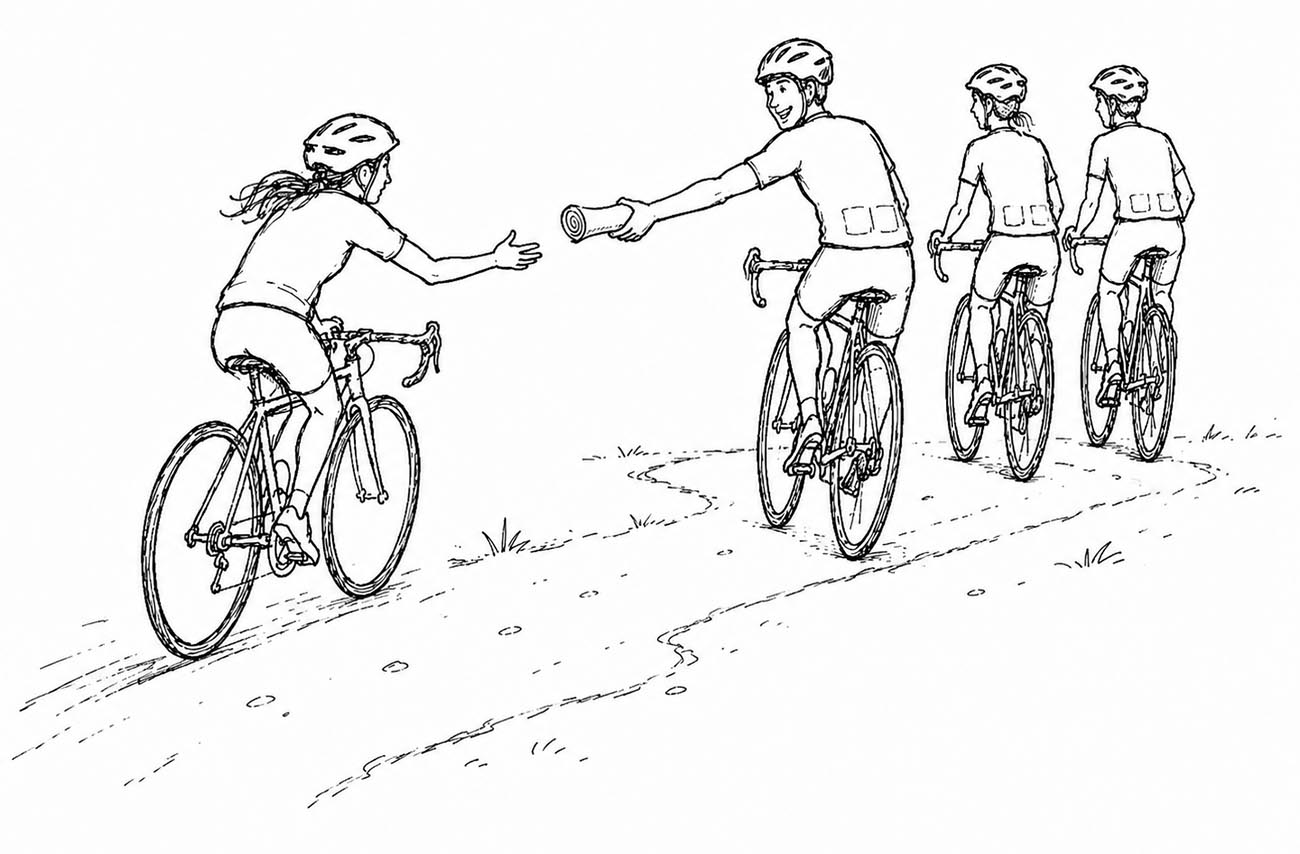
A generic invitation asks the user to bring someone into a product. A contextual share asks the user to move an outcome forward. Users rarely wake up wanting to invite teammates into software. They want to finish a report, get feedback on a design, send a plan, coordinate work, get approval, or make something useful to someone else.
The strongest sharing moments are therefore attached to a document, report, dashboard, design, task list, workspace, or result. The share is meaningful because the object is meaningful. The user has already created or discovered something that has value, and sharing becomes the way that value reaches the next person.
Instead of asking, “Invite your team,” the product can ask, “Share this report with your team.” Instead of prompting a designer to add teammates before anything exists, it can wait until there is a design worth reviewing and ask, “Ask for feedback on this design.”
In each case, the social action is not an interruption. It is an extension of the work already in motion.
This also changes how sharing should be evaluated. A successful share is not merely an outbound invitation. It helps the original user achieve something and gives the recipient a reason to engage. The sender should understand why they are sharing. The recipient should understand why they were included. The shared object should create enough context that the next action feels natural.
When sharing is tied to progress, the user is not promoting the product. They are moving their own work forward. That is what makes the moment feel useful rather than extractive.
This is the core principle: do not ask users to invite others because the product wants growth. Ask when inviting someone makes the user’s current outcome better.
Team onboarding is not the same as user onboarding
A common mistake in collaborative products is treating a team account as a collection of identical users.
The product creates one onboarding flow, one checklist, one welcome email, one tour, and one definition of activation. Everyone who enters the workspace is expected to follow roughly the same path. They are shown the same features, asked to complete the same steps, and measured against the same milestones.
But when onboarding teams, treating everyone the same rarely works.
A team can be made up of people with different roles, responsibilities, authority, and reasons for being there. There may be an admin, a champion, a manager, a collaborator, a reviewer, a viewer, an approver, and an invited recipient. Some people are there to create. Others are there to decide. Some need to configure the system. Others only need to respond to a single request. Some are deeply motivated because they feel the pain the product solves. Others were invited into a workflow they did not choose.
Each of these users enters with a different motivation, capability, and context.
- The champion may understand the value of the product better than anyone else, but lack the authority to make the team adopt it.
- The admin may have authority, but may not feel the everyday pain that caused the product to be introduced.
- A manager may want visibility and control, but may not want to participate in the details of the workflow.
- A collaborator may need to understand exactly what contribution is expected from them.
- A reviewer may only need enough context to give feedback.
- A viewer may only need to consume information.
- An invited recipient may not understand why they were invited at all.
When onboarding treats all of these people the same, it creates unnecessary friction. The invited user is forced through a tour designed for the creator. The admin is shown features when they need confidence around permissions, governance, setup, and adoption. The manager is pushed into task-level activity when they mostly need visibility. The collaborator is dropped into a workspace without enough context to know what to do next. The original user is asked to configure everything for everyone, even though they may not know what each person needs.
Good team onboarding recognizes that shared value depends on different people becoming successful in different ways.
The creator needs to create something useful. The inviter needs to understand when and how to bring others in. The invitee needs context. The admin needs control. The collaborator needs a clear next action. The reviewer needs enough information to respond. The manager needs confidence that the system reflects the work accurately. The team as a whole needs shared routines that make the product part of how work happens.
This is the idea of role-based onboarding.
- Onboard the creator into creation. Help them produce the first object, workflow, dashboard, document, project, or space that makes the product useful.
- Onboard the inviter into sharing. Help them understand who should be involved, what should be shared, and why the invitation matters.
- Onboard the invitee into context. Do not assume they understand the product, the workspace, or the reason they were added. Explain what they are looking at, why it matters, and what action is expected from them.
- Onboard the admin into control. Help them feel confident about permissions, settings, governance, billing, security, user management, and rollout.
- Onboard the team into shared routines. Help the group understand not only how to use the product, but how the product fits into recurring work: planning, review, approval, reporting, handoff, communication, or decision-making.
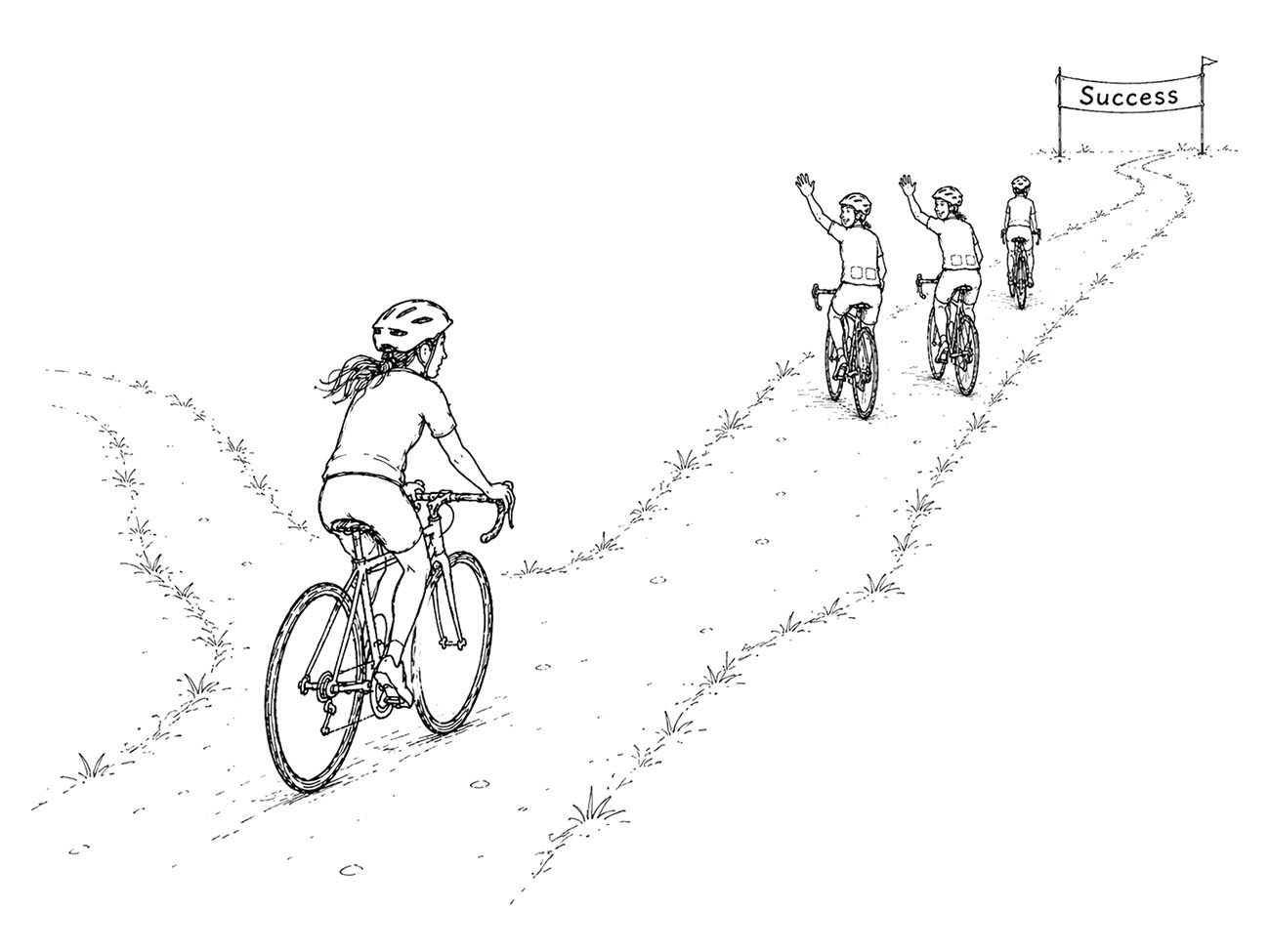
This changes how activation should be understood in team-based products. A team is not activated simply because one user completed setup or invited three colleagues. A team becomes activated when the right people understand their roles well enough to create shared value together.
That may mean the first user has created something worth joining. It may mean the invitee has completed their first meaningful action. It may mean the admin has configured enough trust and control for the team to proceed. It may mean the manager can see progress without asking for separate updates. It may mean the team has completed a shared workflow for the first time.
In individual onboarding, the question is often:
“What does this user need to do next?”
In team onboarding, the better question is:
“What does this person need to understand or do, given their role in the shared outcome?”
That question prevents the product from flattening the team into a single generic user. It also helps the product avoid one of the most common failures in product-led growth: acquiring multiple users without helping them become useful to one another.
Team onboarding succeeds when each person is brought into the product through the part of the work that actually belongs to them.
Collaboration changes motivation, capability, and context
The reason collaboration matters in onboarding is not simply that it brings more people into the product. It matters because other people change the conditions under which users act.
Viewed through the MCC model, a user acts when motivation, capability, and context align. They need a reason to act, they need the ability to perform the next action, and they need a situation that allows the action to happen. Social actions are powerful because they can change all three conditions at once.
Collaboration can increase motivation because other people make the work feel more relevant. A task feels more important when someone else depends on it. A project becomes more meaningful when others can see it. A product feels more credible when colleagues are already using it. The user is no longer acting only because the product has promised value. They are acting because their work now exists in relation to someone else’s attention, expectations, or needs.
Collaboration can also increase capability. Other users bring examples, feedback, templates, help, and shared knowledge into the product. A new user may understand a workspace faster by seeing how colleagues have already organized it. A teammate can clarify which task matters first. A manager can explain why a workflow is being adopted. A reviewer can show what good output looks like through comments and edits.
This kind of learning is different from a product tour. The product is not only explaining itself. The shared environment is teaching the user through existing structure and activity. A well-organized project, a completed template, a commented design, or a populated dashboard can make the product easier to understand because it shows the user how people like them are already using it.
Collaboration also changes context. A comment, mention, assignment, invitation, deadline, reply, or approval request creates a new window of opportunity. The user has a reason to return because something meaningful has happened in their work. The product is no longer only waiting for the user to remember it. The user’s environment now contains cues that pull them back.
This is one of the reasons social products can become durable. Return does not depend entirely on individual intention. It is supported by activity from other people. Someone comments. Someone assigns. Someone asks. Someone responds. Someone needs approval. Each of these moments can reopen the product at the right time with a clear reason to act.
But this only works when the social action is meaningful. A vague notification saying that someone joined a workspace may not create much motivation. A generic reminder to invite more teammates may not improve capability or context. But a comment on a draft, a task assigned before a deadline, or a request for approval can create a concrete reason to return and a clear next action.
From a behavioral point of view, what is interesting is not that collaboration generates more signups, but that it changes the conditions under which users act.
Collaboration creates return paths
One of the hardest problems in onboarding comes after the first moment of value.
The user has understood the product once. They have completed an important action. They have seen enough value to believe the product might be useful. But that does not mean they will return. First value creates possibility, not continuity. The product still has to find its way back into the user’s life, work, timing, and attention.
This was the central problem we explored in the article on onboarding beyond day one. The first session matters, but it is not enough. Users need reasons to come back, and those reasons are often strongest when they are connected to something already happening in their world.
Collaboration gives products a natural advantage here because other people can create return paths.
A comment creates a reason to come back. A mention creates a reason to respond. An assignment creates a reason to act. A shared dashboard creates a reason to check progress. A teammate’s update creates a reason to re-enter the workflow. The product no longer has to rely entirely on the user remembering to return. The user’s work, relationships, and responsibilities can pull them back.
These moments are not merely notifications.
They are context triggers.
A notification is weak when it only says, “Come back to the product.” That kind of message asks for attention without necessarily connecting to the user’s current situation. It reminds the user that the product exists, but it does not always create a meaningful reason to act.
A stronger notification says, in effect, “Something meaningful happened in your work.”
Someone commented on your draft. A teammate assigned you a task. A client approved the design. A manager asked a question. A report changed before the meeting. A colleague mentioned you in a discussion. These moments work because they are not about the product wanting attention. They are about the user’s world changing in a way that makes returning useful.
This is why collaboration can make onboarding more durable. It creates external cues that connect the product to real responsibilities. Return is no longer only a matter of memory or habit. It becomes part of responding to people, continuing work, meeting expectations, and participating in a shared system.
But this also creates responsibility. Social notifications can easily become noise. A product can notify users about every small action, every minor update, every teammate joining, every view, every edit, every automated change. At first, this may increase short-term re-entry. Over time, it can weaken trust. Users learn that the product asks for attention even when nothing important has happened.
A return path is only valuable when it leads back to something meaningful. The product should therefore notify users when there is a real reason to return: when someone needs their input, when a decision is waiting, when a deadline is approaching, when work they care about has changed, or when their next action is clear. The goal is not to maximize reminders. It is to connect users to moments where returning helps them make progress.
Collaboration gives onboarding one of its strongest engines for continuity, but it only works when the product respects the difference between attention and relevance. The product should not pull users back merely because it wants activity. It should pull them back when shared work has created a new reason to act.
Shared context creates a healthier kind of stickiness
Collaboration can create retention because it allows value to accumulate between people.
A product becomes harder to leave when it contains shared work, shared history, shared workflows, and shared expectations. The team has created projects, documents, dashboards, comments, decisions, templates, tasks, approvals, and routines inside the product. Over time, the product becomes more than a place where work happens. It becomes a place that remembers the work.
This is not the only way products become sticky. Products can also become sticky through habits, personalization, data accumulation, integrations, workflow fit, contracts, switching costs, or simply because they solve an important recurring problem better than the alternatives.
But in collaborative products, shared context is one of the strongest and healthiest forms of stickiness.
There are two very different ways a product can become difficult to leave.
Bad stickiness comes from lock-in. The product is hard to leave because the user cannot easily export their data, understand their settings, move their workflow, or recreate what they built elsewhere. The user stays because leaving is painful, confusing, risky, or expensive. This may look like retention in the short term, but it is a weak foundation. The product is not being chosen because it continues to create value. It is being endured because switching feels too difficult.
Good stickiness comes from accumulated value.
The team stays because the product contains their work. It remembers their decisions. The workflow reflects their habits. The shared history remains useful. The product has become part of how the team coordinates, communicates, reviews, approves, and decides. Leaving would not merely mean replacing a tool. It would mean losing a shared system that has grown around the team’s work.
This is the healthier form of retention because it is based on usefulness rather than captivity. The product becomes durable because it continues to hold context that people need. A project management tool becomes sticky when it contains not only tasks, but ownership, dependencies, deadlines, and decision history. A design tool becomes sticky when it contains not only files, but comments, versions, approvals, and shared understanding. A CRM becomes sticky when it contains not only contacts, but relationships, notes, history, follow-ups, and team routines.
This connects directly to the distinction between paths and platforms.
A path helps one user reach value. It guides them through a sequence, reduces uncertainty, and helps them complete the first meaningful action. Paths are useful because they help users start.
A platform lets many users create, share, extend, and return to value over time. It does not only move users through a predefined sequence. It gives them a place to build shared context, deepen workflows, and create new paths of their own.
That is why collaborative onboarding should not be judged only by whether the first user reached activation or whether invitations were sent. The more important question is whether the product is helping shared value accumulate. Are users creating objects that others return to? Are comments, decisions, and changes making the workspace more useful? Are routines forming around the product? Is the product becoming part of how the team coordinates?
The goal is not to trap users, but to become a useful shared system.
When that happens, retention is not driven only by habit, reminders, or switching costs. It is strengthened by the fact that the product contains something the team has built together. Shared context becomes one reason to return, one reason to continue, and one reason the product becomes harder to replace.
Network effects are not the same as spam loops
Product-led growth often benefits from network effects, but network effects are not the same as aggressive virality.
A healthy product-led growth loop makes the product more useful for both the sender and the recipient. The sender shares because sharing helps them make progress. The recipient joins because there is something specific and useful waiting for them. The product grows because shared value has increased.
A weak or manipulative loop works differently. It uses the sender to acquire the recipient without creating clear value for either side. The invitation exists primarily because the product wants distribution. The sender is pressured to share before they understand the product. The recipient receives a vague message without enough context. The loop may create exposure, but it does not necessarily create trust, value, or meaningful participation.
This is the risk whenever growth mechanics are separated from user outcomes. The language of loops, triggers, rewards, and investments can be useful for understanding behavior, as Nir Eyal’s Hook Model helped popularize. But the same language can also tempt teams to optimize for repeated engagement without asking whether the engagement is valuable. A product can become very good at pulling people back, prompting invitations, and generating social activity while still failing to make users more successful.
Bad invite flows often reveal this confusion.
They ask too early. They import contacts before the user understands why. They pressure users to invite colleagues before value is proven. They send vague emails that make recipients wonder why they were added. They turn private exploration into a public commitment too soon. They treat the user’s social trust as a distribution channel.
The short-term metrics may even look promising. More invitations are sent. More recipients are exposed to the product. More accounts are created. But if those recipients do not understand why they were invited, if they do not know what action to take, or if the sender regrets involving them, the loop is not creating durable growth. It is extracting attention from a relationship the product has not yet earned.
Good social onboarding protects trust.
It makes the invitation specific. It explains why the recipient was invited. It gives the recipient a clear first action. It connects the invitation to an object, task, or outcome. It lets the sender control what is shared. It respects privacy and permissions. It makes the sender look helpful rather than careless.
This matters because social growth depends on credibility. When a product sends an invitation in someone’s name, it borrows that person’s reputation. If the invitation is useful, specific, and timely, that reputation is strengthened. If the invitation is confusing or premature, the product spends trust that belonged to the user.
The difference between a network effect and a spam loop is therefore not only scale. It is reciprocity.
A network effect increases value as more people participate. A spam loop increases exposure by pushing people into contact with the product, whether or not participation creates value. One compounds usefulness. The other compounds interruption.
Product-led growth should multiply value, not extract attention.
That means the right question is not simply, “How do we get users to invite more people?” It is, “What shared action would make the product more useful for both the sender and the recipient?”
When that question guides the design, invitations become part of onboarding rather than a demand placed on top of it. The user shares because sharing helps them continue. The recipient enters with context. The product grows because it has created a reason for people to work, decide, respond, or coordinate together.
That is the kind of growth worth designing for.
Designing product-led onboarding moments
Product-led onboarding moments should be designed around progress, not promotion.
The common mistake is to treat social onboarding as a set of interface patterns to add: an invite button, a share modal, a contact importer, a team setup checklist, a comment box, a mention system, a notification, a workspace health indicator. These patterns can be useful, but they are not the strategy. They only work when they appear at a moment where involving another person helps the user move forward.
This is why the first design question should not be, “Where should we ask users to invite others?” It should be, “What has the user created or discovered that is now more valuable if someone else participates?”
A shareable artifact is often the strongest starting point. A document, report, dashboard, design, task list, plan, workspace, or analysis gives the invitation substance. The user is no longer inviting someone into an abstract product. They are sharing something concrete. The recipient can understand why they were included because there is an object to inspect, review, edit, approve, or respond to.
This is where permission previews can reduce hesitation. Sharing often fails not because the user does not want to involve others, but because they are unsure what will happen. Who will be able to see this? Can they edit it? Will they see comments? Will they get access to the whole workspace or only this object? Can the sender revoke access later? If the product does not answer these questions clearly, the user may postpone sharing even when collaboration would help.
Good product-led onboarding makes the social action feel safe. It shows what will be shared, who will receive it, what they can do, and what remains private. This protects the sender’s confidence and the recipient’s experience.
Several design patterns can support this when they are used in the right moment.
- Invite prompts after value work when the user has created something worth extending, not when the product merely wants more people in the account.
- Shareable artifacts give the invitation substance by attaching it to a document, report, dashboard, design, task, or result.
- Role-based invite flows help the sender clarify whether someone is joining as a viewer, reviewer, collaborator, admin, approver, or teammate.
- Collaborative empty states can explain what becomes possible once people participate, instead of merely saying that a project or workspace is empty.
- Templates for teams reduce the burden of creating shared structure from scratch by providing default roles, sections, tasks, stages, permissions, or routines.
- Commenting and mentions tie collaboration to specific context. A broad invitation asks someone to join a product. A comment asks someone to respond to a specific piece of work. A mention tells them where their attention is needed.
- Suggested collaborators can help when they reflect the user’s current goal, such as the person who owns the next step or the teammate who usually reviews this kind of work.
- Recipient-specific onboarding helps the invited person understand why they are there and what they are expected to do, instead of dropping them into a generic onboarding flow.
- Team setup checklists should focus on creating shared value rather than completing administrative tasks.
- Workspace health indicators can show whether the team is becoming active in a meaningful way, not merely whether seats have been added.
- Shared progress reinforces the value of collaboration by showing that a project, dashboard, or workflow is moving.
- Return notifications should be tied to meaningful activity: a comment, assignment, decision, deadline, or completed handoff.
All of these patterns are useful only when they serve the same underlying questions:
- What has the user created that is worth sharing?
- Who else is needed for the user to make progress?
- What does the recipient need to understand immediately?
- What permission or privacy concern could block the action?
- What shared action would create value for both sides?
- What should bring the user back?
Those questions keep product-led onboarding connected to behavior rather than interface mechanics.
The goal is to help value move from one person to another in a way that makes the product more useful for everyone involved.
Measuring product-led growth multipliers
Product-led growth is often measured through the metrics that are easiest to see.
- How many invitations were sent.
- How many contacts were imported.
- How many share links were created.
- How many referral signups appeared.
- How many team workspaces were created.
- How many seats were added.
- How many users came from a viral loop.
- How many emails were opened or invitation links were clicked.
These numbers can be useful, but they can also become vanity metrics when they are treated as proof of meaningful growth. They measure movement at the edge of the product, but they do not necessarily measure whether value was created inside the product. A user can import contacts without wanting to collaborate. A product can generate many invitations that recipients ignore. A team workspace can be created where only one person is active. A share link can be copied without anyone using it. A referral signup can increase acquisition without producing activation, retention, or trust.
This is a common weakness in short-sighted product-led growth strategies. They chase visible business growth without looking closely enough at the underlying behavior and sentiment that make growth durable. The product may be spreading, but are users succeeding? Are recipients glad they were invited? Do invited users understand why they are there? Does collaboration actually happen? Does the original user become more successful because someone else joined? Does the product become more useful, or merely more exposed?
Those questions matter because social onboarding depends on trust. Invite flows, sharing prompts, contact imports, and collaboration loops do not happen in a neutral space. They use the user’s relationships. If the product asks too early, explains too little, or creates unclear value for the recipient, the growth mechanism may still produce activity, but it can also weaken the user’s confidence in the product. The business sees a sent invitation. The user experiences a small reputational risk. The recipient experiences confusion.
That is why social onboarding should not be measured only by invite volume.
Invite volume is easy to count, which makes it tempting to treat it as the primary signal of product-led growth. More invitations can look like more momentum. More shared links can look like more collaboration. More team accounts can look like expansion. But these numbers can be misleading if they are disconnected from what happens next.
Better signals look at whether shared use actually begins. Accepted invites and activated invitees show whether recipients entered and understood enough to take a meaningful first action. Time to first shared object shows how long it takes before the product contains something useful between people. The first meaningful collaboration event shows whether someone commented, replied, edited, approved, completed, assigned, mentioned, handed off, or decided something that increased the value of the original object or workflow.
From there, measurement should shift from one-time social actions to repeated shared use. How many active collaborators participate? Do collaborators return? Does collaboration happen again after the first shared moment? Are multiple people contributing to the same workspace, or is one user still doing all the work while others remain passive? Does the account show signs of multiplayer activity, or is it a team account in name only?
Team creation can hide shallow adoption. A workspace with ten invited users and one active user may be less healthy than a workspace with three active collaborators who repeatedly create, review, and complete work together. Product-led growth is not the same as adding seats. It is the expansion of value through use.
The most important signals will vary by product. A design tool may care about comments, versions, and approvals. A project management tool may care about assigned tasks, completed work, and recurring planning. A CRM may care about shared contacts, handoffs, notes, and follow-ups. A communication product may care about replies, active channels, and recurring group conversations. The metric should reflect the kind of shared value the product exists to create.
This leads to the key measurement principle:
Do not measure only whether users invited others. Measure whether shared use created more value.
That means looking beyond the sender’s action and into the relationship between sender, recipient, object, and outcome. Did the sender have something worth sharing? Did the recipient understand why they were invited? Did the recipient take a meaningful action? Did that action give the original user a reason to return? Did the shared object become more useful because more people participated? Did the social loop increase trust, or did it spend trust for short-term growth?
Those questions keep product-led growth honest. They prevent teams from confusing distribution with adoption, exposure with engagement, and invitations with collaboration.
A strong product-led growth multiplier does not merely move users into the product.
It creates more value once they arrive.
Product-led growth through MCC
Product-led growth is not separate from onboarding psychology. It is built on it.
Inviting, sharing, and collaboration work when they improve the user’s motivation, capability, or context. They fail when they are treated as growth mechanics detached from the user’s current state. The same invitation can feel helpful in one moment and premature in another. The same share prompt can feel like progress when the user has something meaningful to share and like pressure when they do not.
This is why the MCC model matters for product-led growth.
Social actions can increase motivation when other people make the product feel more relevant, urgent, trusted, or valuable. They can increase capability when teammates, examples, templates, and existing work make the product easier to understand. They can improve context when comments, assignments, mentions, deadlines, or replies create natural moments to return, respond, contribute, or continue.
But social onboarding fails when it asks for social behavior before those conditions are ready. A user with low motivation will not invite others simply because the product asks. A user with low capability may not know who to invite, what to share, or how to explain the value. A user in the wrong context may postpone the social action because they lack time, authority, confidence, or the right artifact to share. An invited user without context may ignore the invitation because they do not understand why they were included or what they are expected to do.
The better question is:
“What social action fits this user’s motivation, capability, and context right now?”
If motivation is missing, make the shared value clearer. If capability is missing, make the action easier to understand. If context is missing, wait for or create a better moment.
Growth does not happen because invitations are sent. It happens because value becomes easier to recognize, easier to act on, and easier to continue once other people are involved.
From individual value to shared value
Onboarding begins with one user, but in many products, the greatest value appears only when use becomes shared.
The first user creates something. Someone else responds. A workflow begins to form. A team starts building shared context. The product becomes part of how people coordinate, review, approve, decide, and work together. What began as an individual experience becomes a shared system.
This is the deeper role of product-led growth in onboarding.
Not viral growth for its own sake. Not invitations as a growth hack. Not collaboration as a feature checklist. The purpose is to help value move from one person to another in a way that makes the product more useful for everyone involved.
That movement changes the product’s role. A private document becomes a place for feedback. A project becomes a place for coordination. A dashboard becomes a shared reference point. A workspace becomes a record of decisions, responsibilities, and progress. The product is no longer only helping one user complete an action. It is helping a group of people build shared understanding around the work they are trying to do.
This is why product-led growth should be understood as part of onboarding rather than something separate from it. The same behavioral questions still apply. Does the user have a reason to invite, share, or collaborate? Do they understand what action to take? Is the moment right? Will the recipient understand why they were included? Will the shared action create value, or merely create activity?
When social onboarding works, it does not feel like distribution. It feels like progress.
The user shares because there is something worth sharing. The recipient joins because there is something meaningful waiting for them. The team returns because something has changed, someone needs input, or the shared system has become part of how work continues.
That is what turns individual activation into shared activation.
The strongest products help multiply value, not just reach it.
- User Onboarding and the First Moment of Real Value by Anders Toxboe at Learning Loop
- A Behavioral Model of User Onboarding by Anders Toxboe at Learning Loop
- User Onboarding Beyond Day One by Anders Toxboe at Learning Loop
- Stop Designing Paths. Start Designing Platforms. by Anders Toxboe at Learning Loop
- How to Manufacture Desire by Nir Eyal
- Bush, W. (2019). Product-led growth: How to build a product that sells itself. ProductLed.
- Parker, G. G., Van Alstyne, M. W., & Choudary, S. P. (2016). Platform revolution: How networked markets are transforming the economy and how to make them work for you. W. W. Norton & Company.
- Shapiro, C., & Varian, H. R. (1999). Information rules: A strategic guide to the network economy. Harvard Business School Press.
- Berger, J. (2013). Contagious: Why things catch on. Simon & Schuster.
- Chen, A. (2021). The cold start problem: How to start and scale network effects. Harper Business.
- Eyal, N. (2014). Hooked: How to build habit-forming products. Portfolio.
- Norman, D. A. (2013). The design of everyday things (Revised and expanded edition). Basic Books.