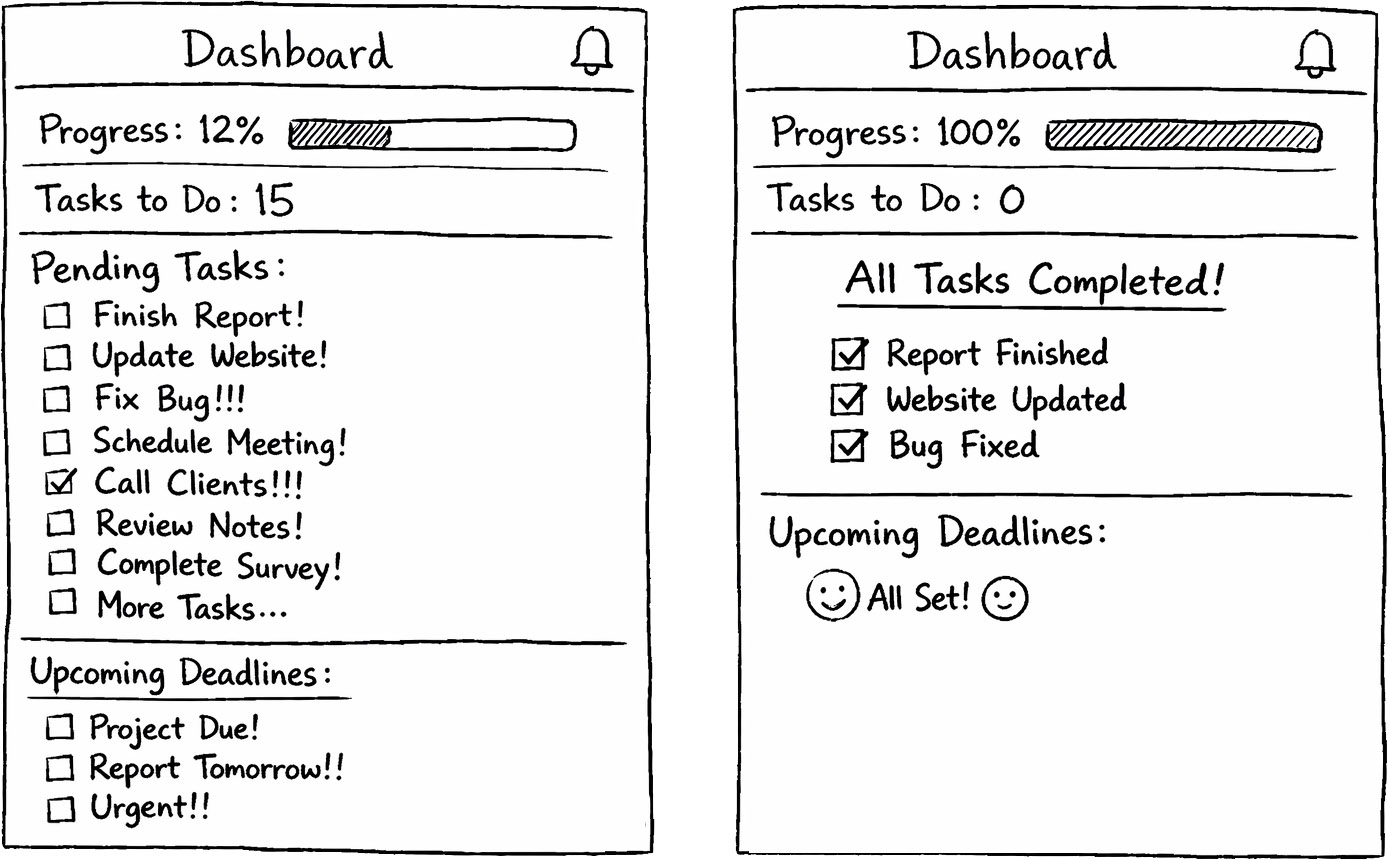
Designing KPIs with a definition of “enough”
A Better Way to Build Persuasive Experiences
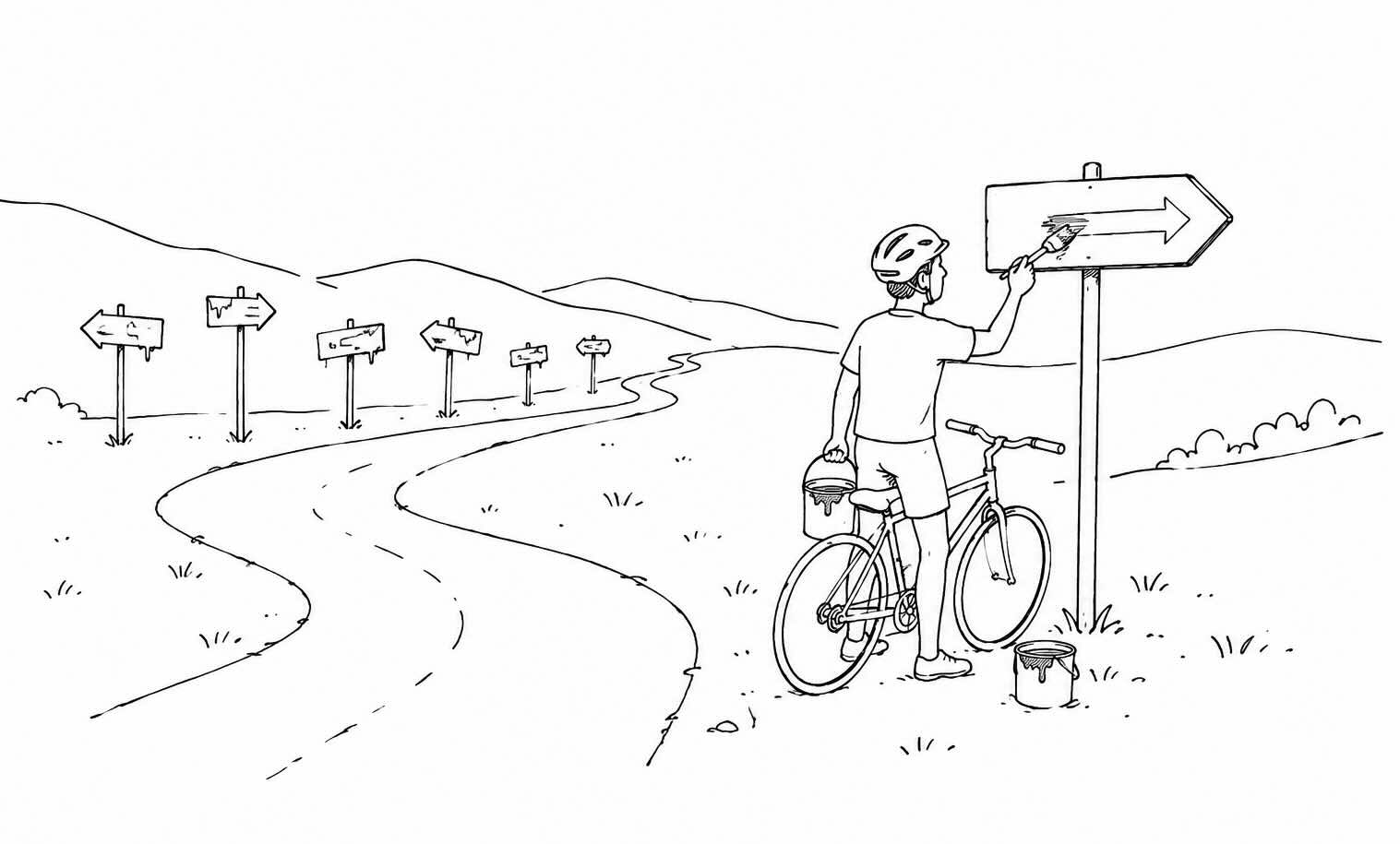
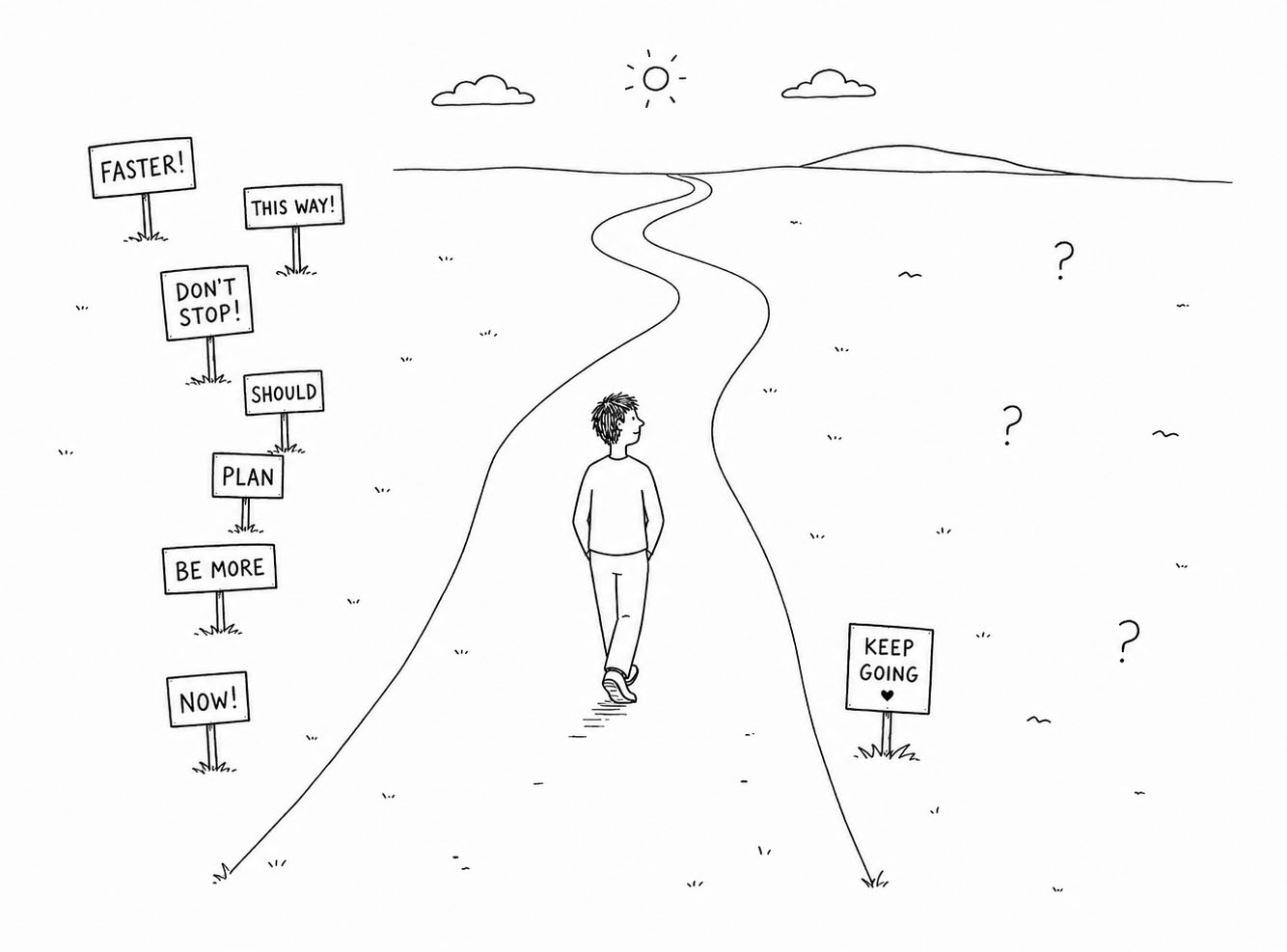
Why organizations keep rebuilding direction instead of keeping strategic understanding alive
How inviting, sharing, collaboration, and team adoption can turn individual onboarding value into shared product-led growth
How to provide the right level of onboarding guidance without creating dependence
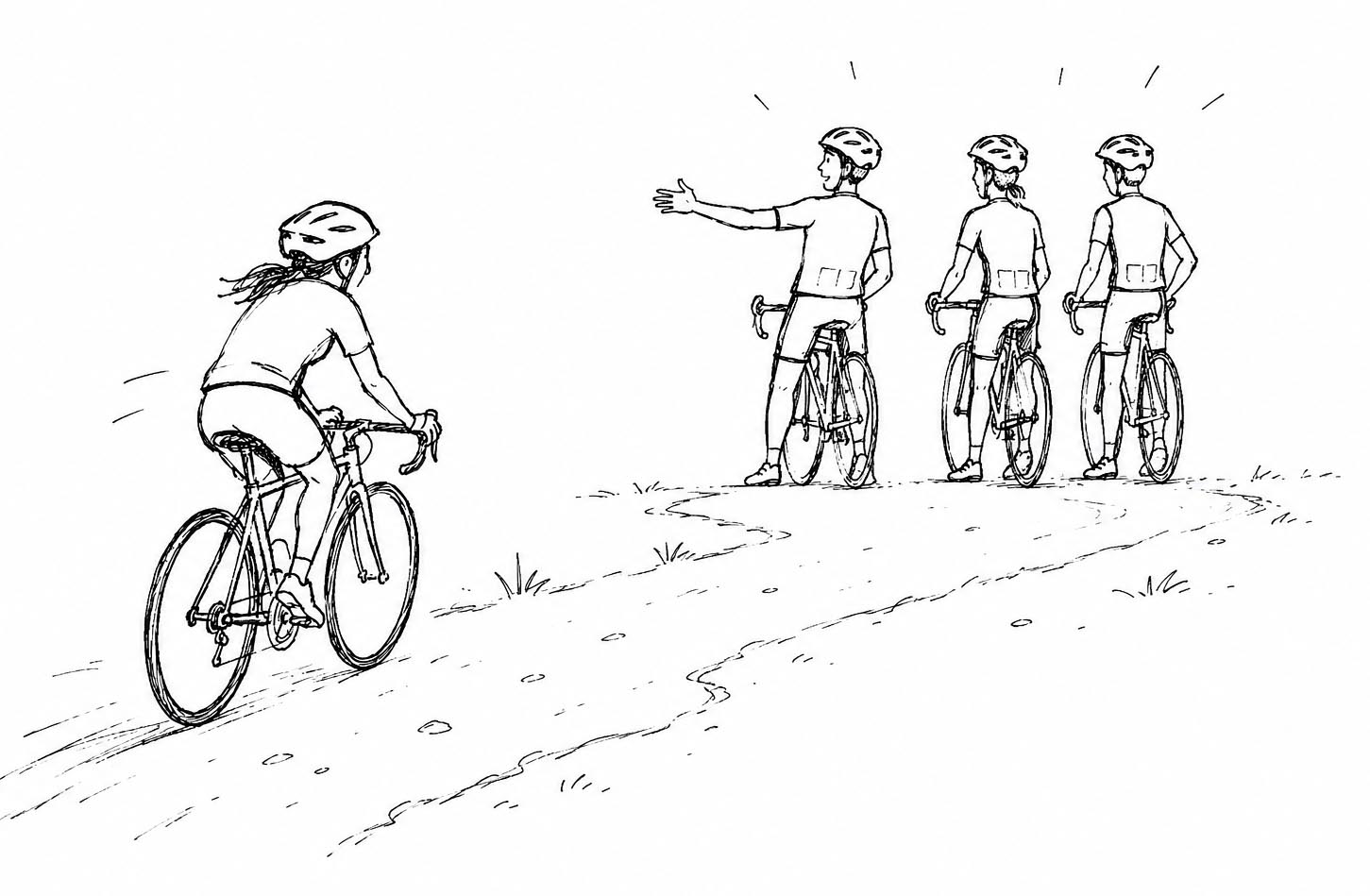
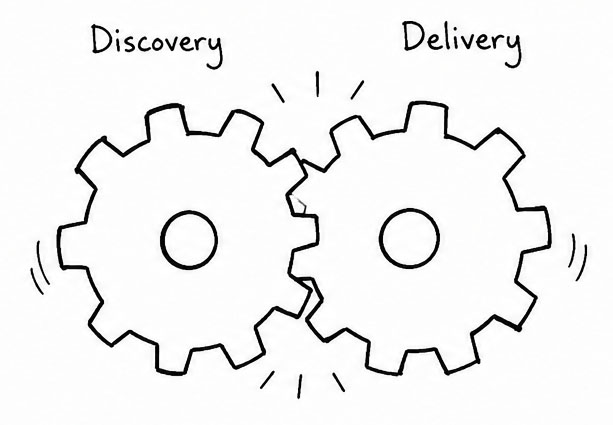
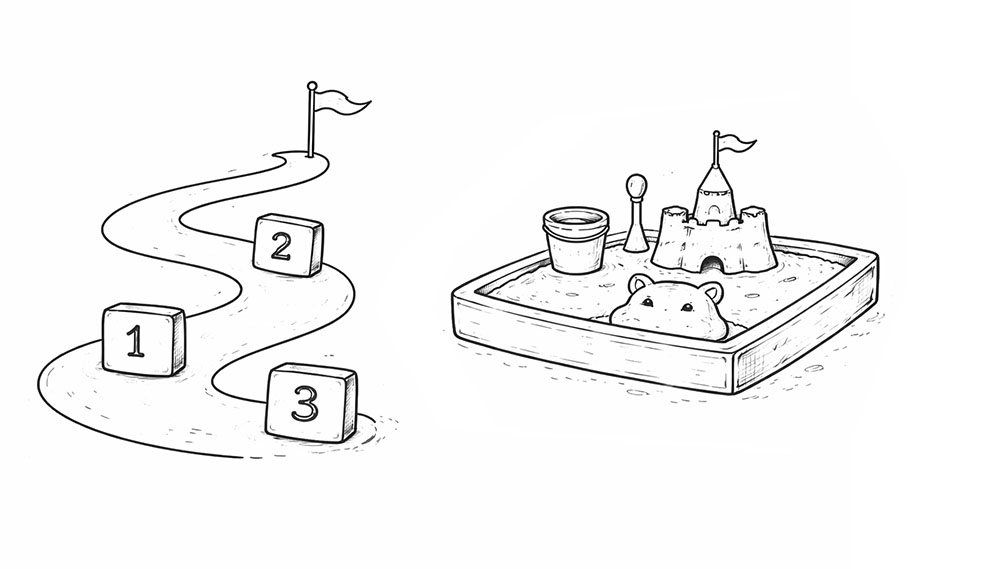
Why continuous flow depends on keeping shared understanding alive instead of repeatedly rebuilding it.
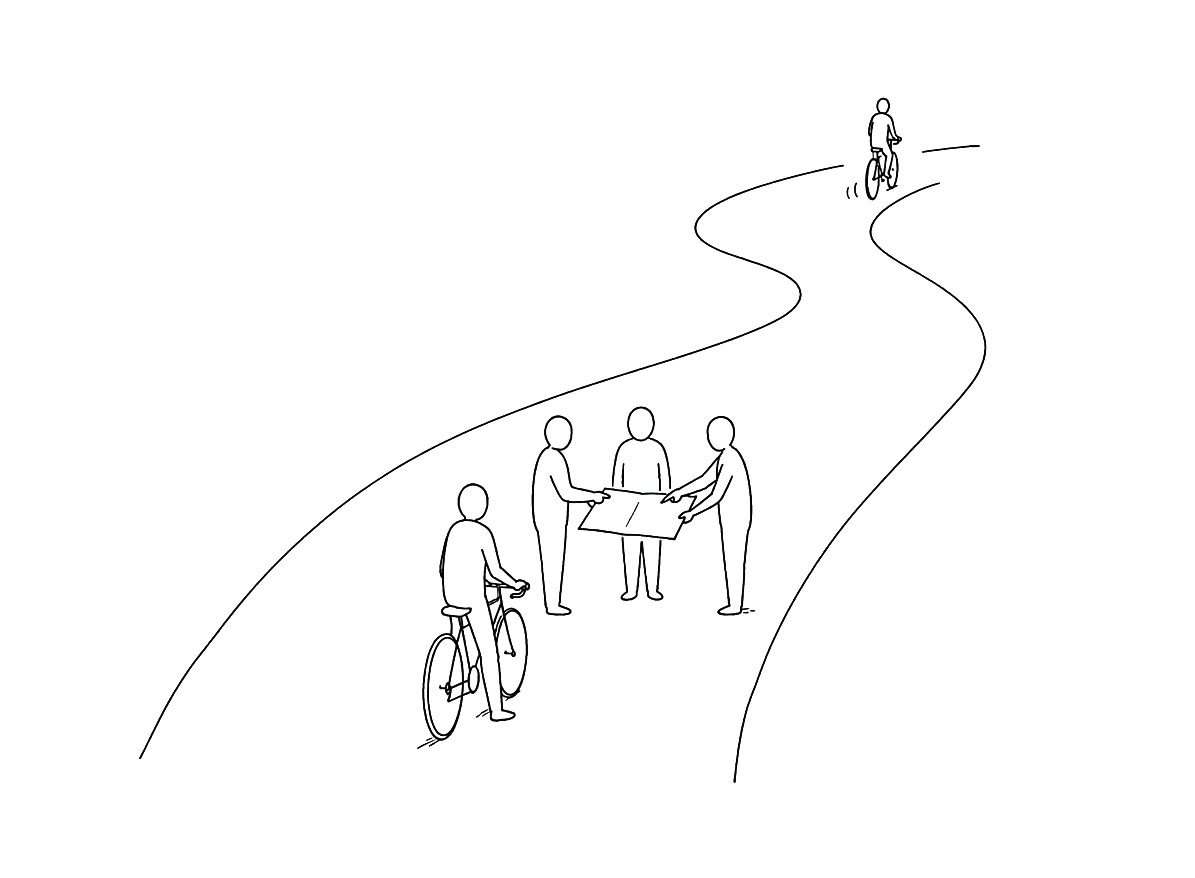
Why shared understanding matters more than parallel tracks
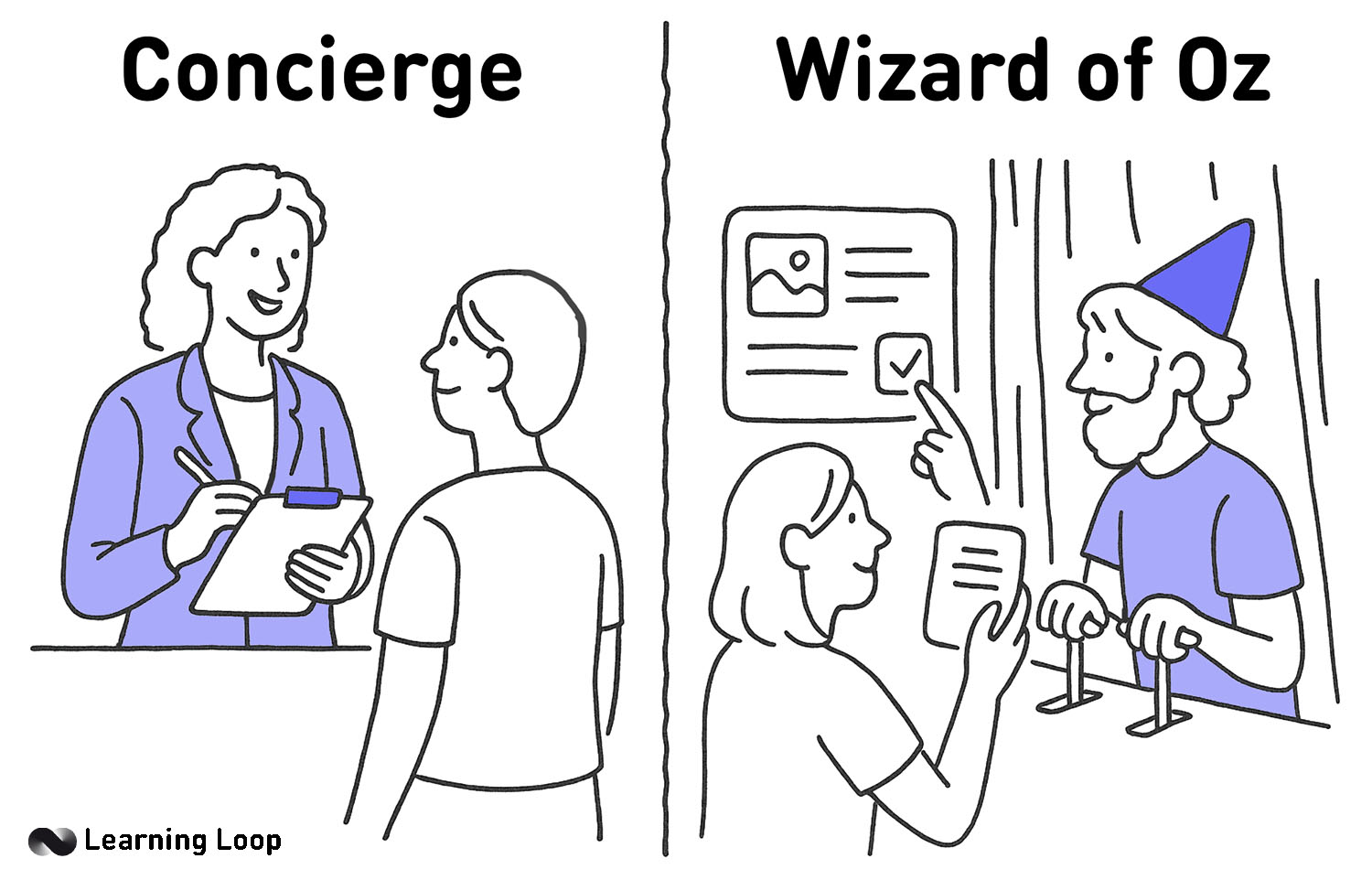
Where traditional onboarding focuses on helping users discover value, onboarding to AI products should focus on helping users reproduce value.
How GenAI can help onboarding systems respond to user context in real time.
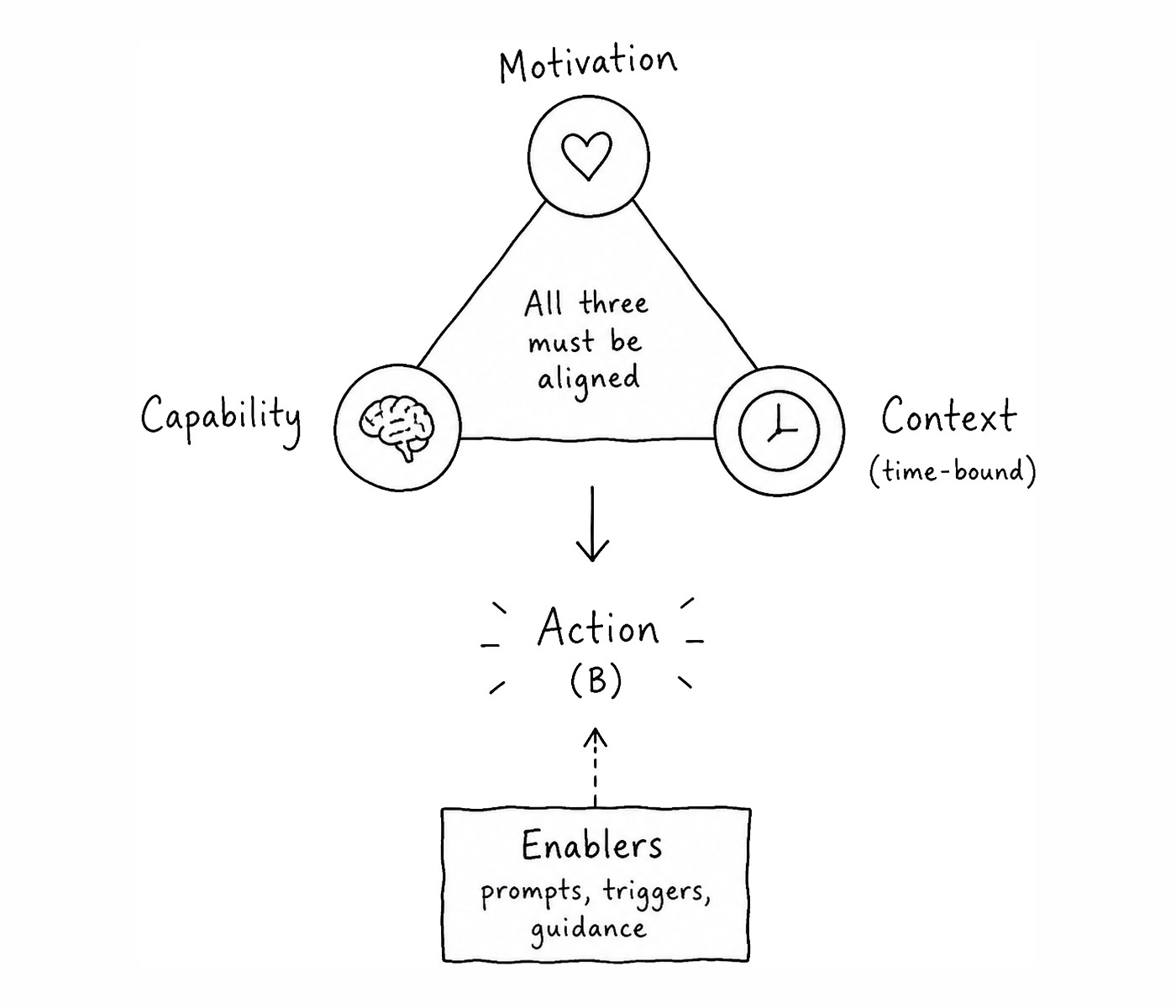
Why onboarding succeeds when motivation, capability, and context align in the user’s current moment.
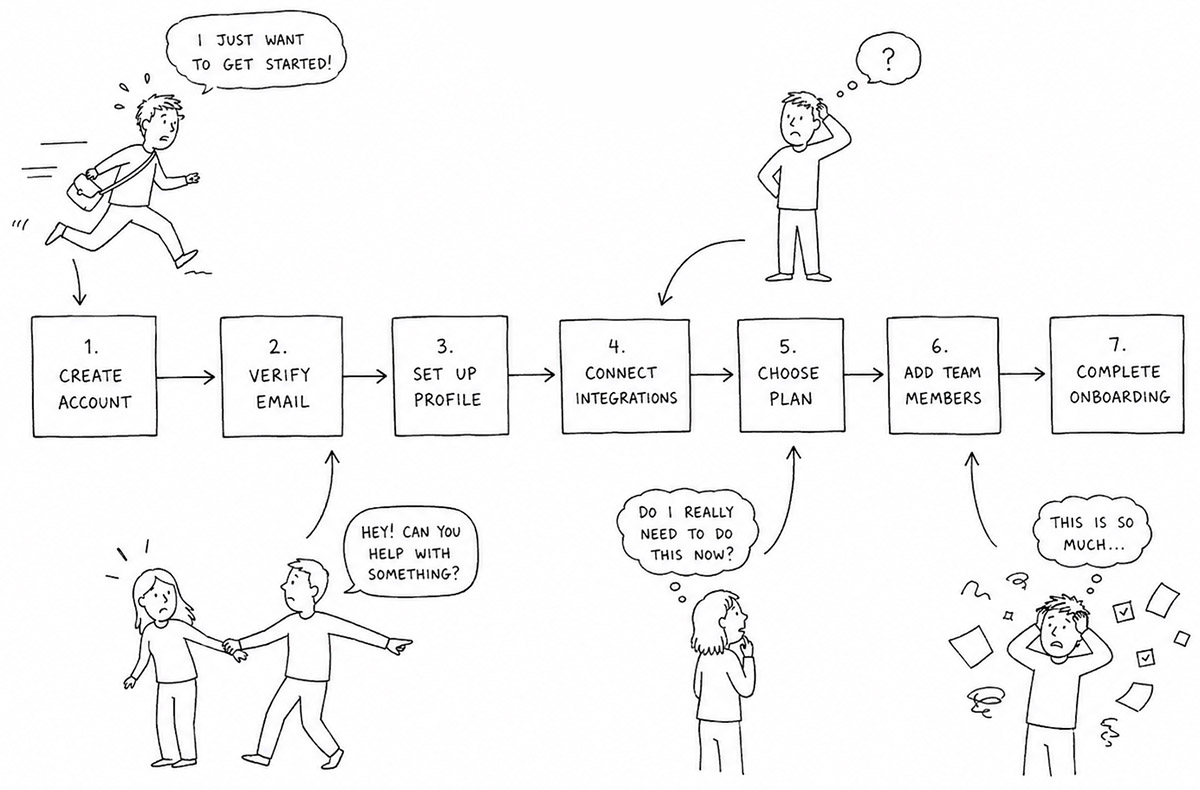
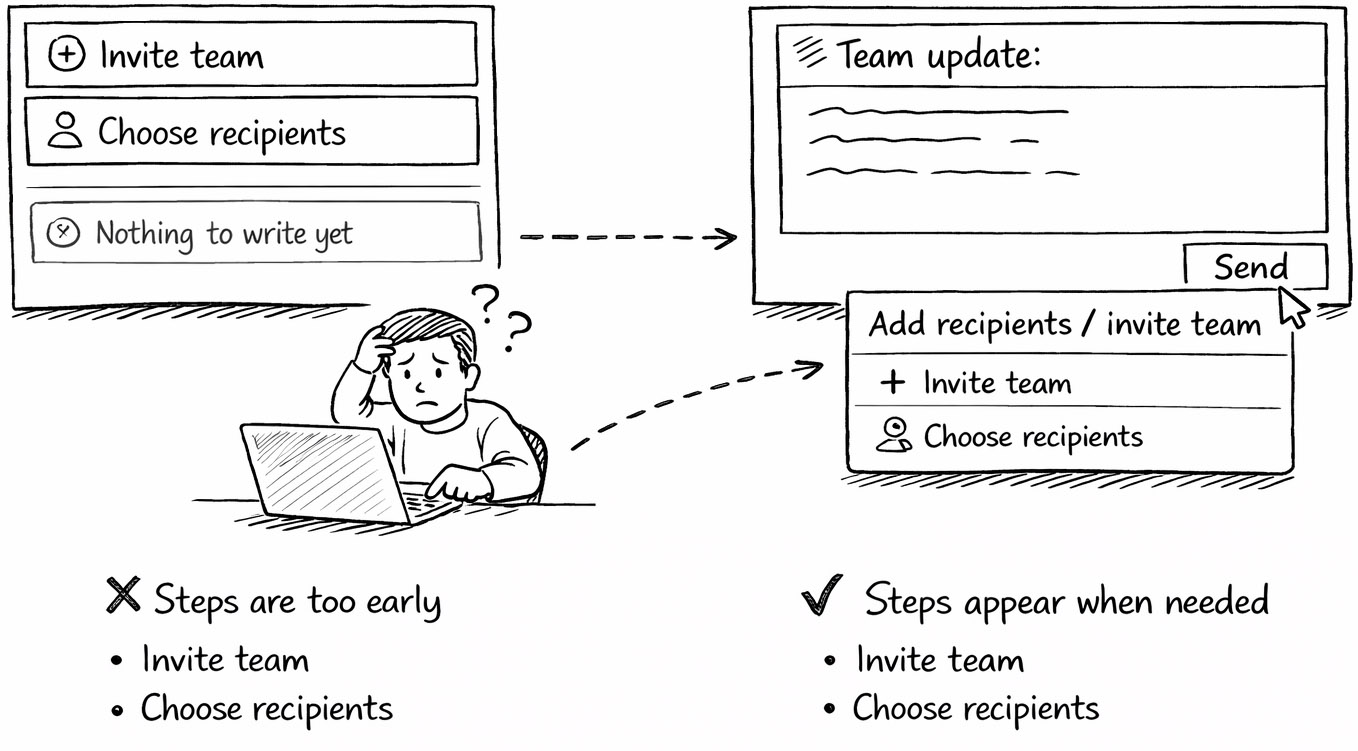
How onboarding reduces friction, times commitments, and helps users follow through
How onboarding evolves from driving return to shaping habits over time
From First Win to Ongoing Adoption
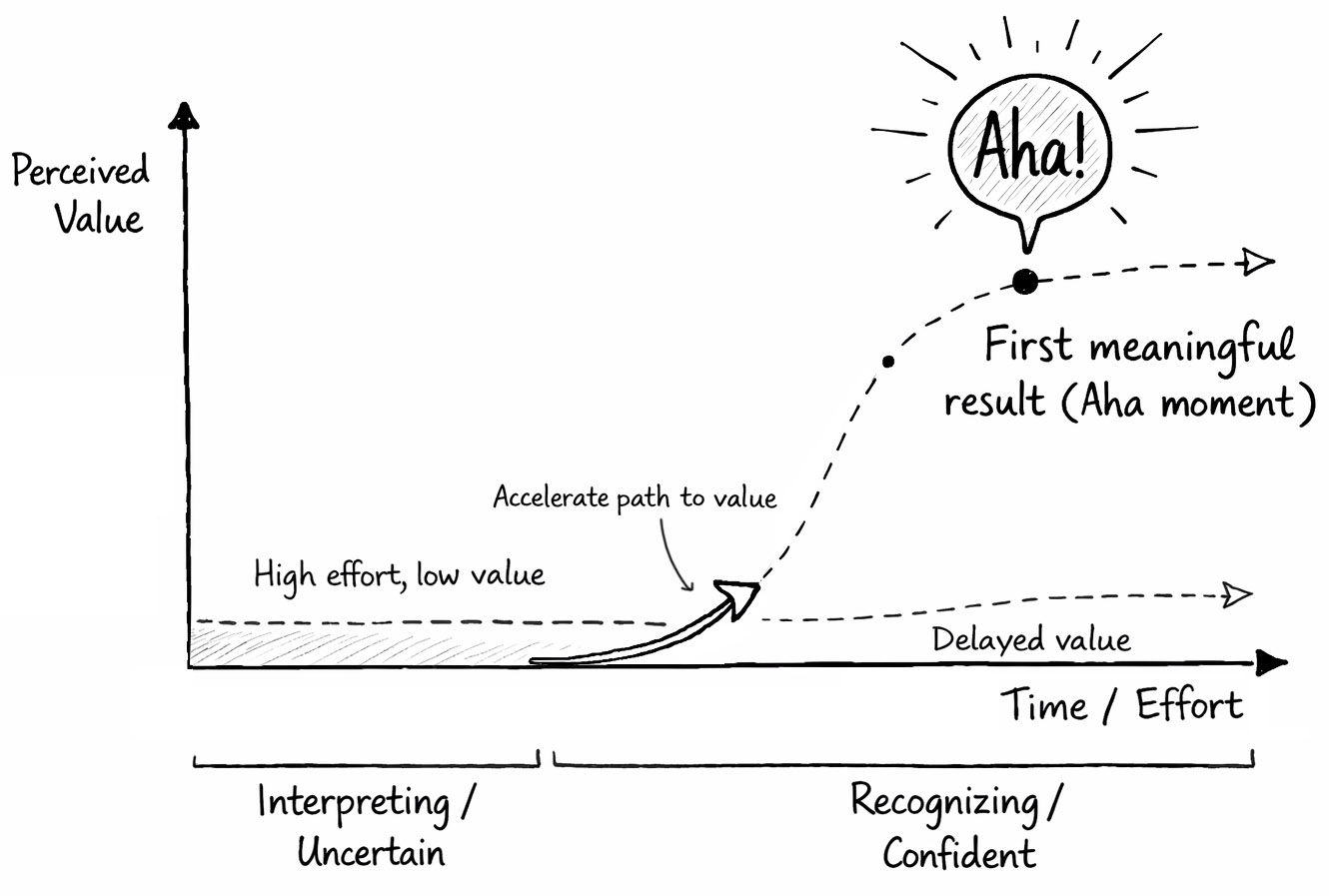
Why the first experience of value defines activation and shapes onboarding
Why selling the outcome early shapes activation and retention
You Still Need Both
Rethinking the Product Operating Model: From Siloed Journeys to Cohesive Platforms
How platform thinking can unlock user mastery and sustained value
Turning Product Psychology into Product Mechanics
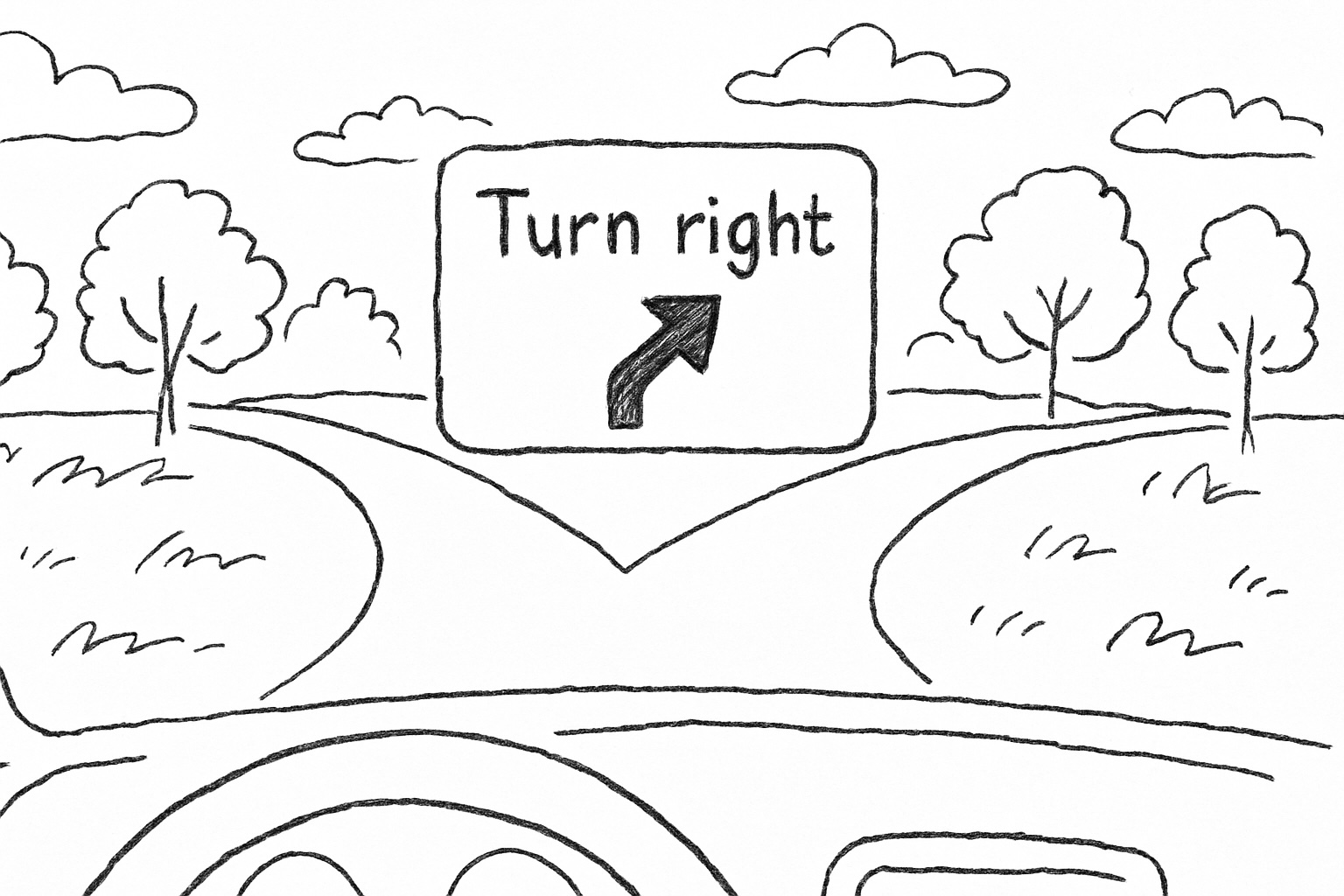
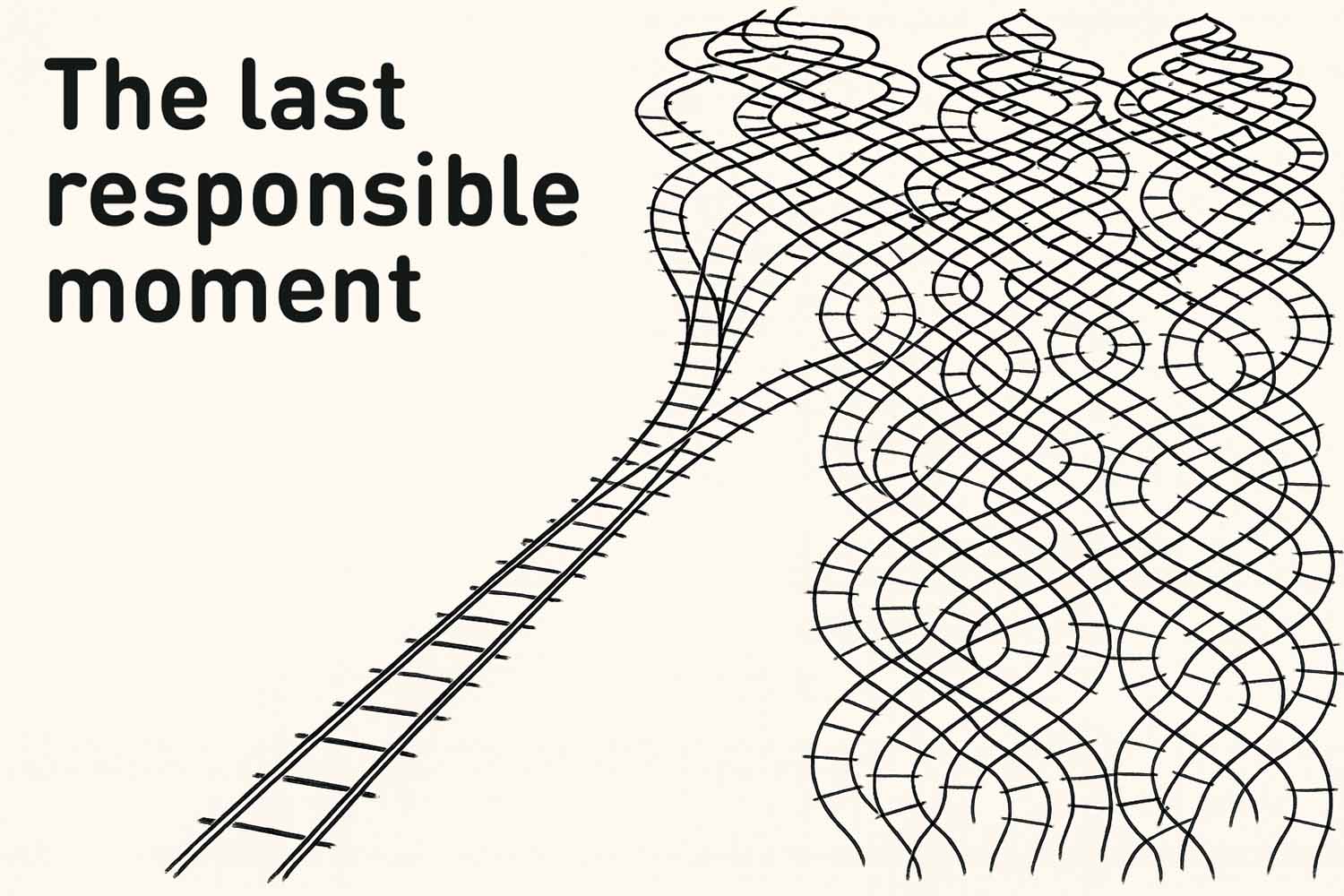
Why early, frequent decisions beat perfect plans that drift into delay
And what to do instead
Why simple card decks keep your brain in the game
Why empathy drives product success
Prove real demand with paying customers before you write a line of code.
How Product Psychology can turn psychological insight into product impact
A side-by-side comparison.
New research suggests data-driven methods boost performance only after a startup’s business model is clear. Early-stage founders may need a solid theory of value before turning to rigorous experiments.
As AI reshapes how we build software, development speed is no longer the bottleneck. The real differentiators are now clarity, adaptability, and decision-making.
Many teams assume revenue will follow naturally once they build a product that people love - only to discover too late that the market will not pay, or that operational costs erode profits.
Why focusing solely on development speed leads to wasted effort, technical debt, and misalignment — and what to do instead.
Personalized approaches drive lasting impact where generic solutions fall short.
How relentless experimentation fuels rapid learning and innovation – and what your product team can learn from their playbook.
How to design for user engagement that feels effortless and lasts forever
Why 'Patterns First' might be stifling your creativity - and what do to instead
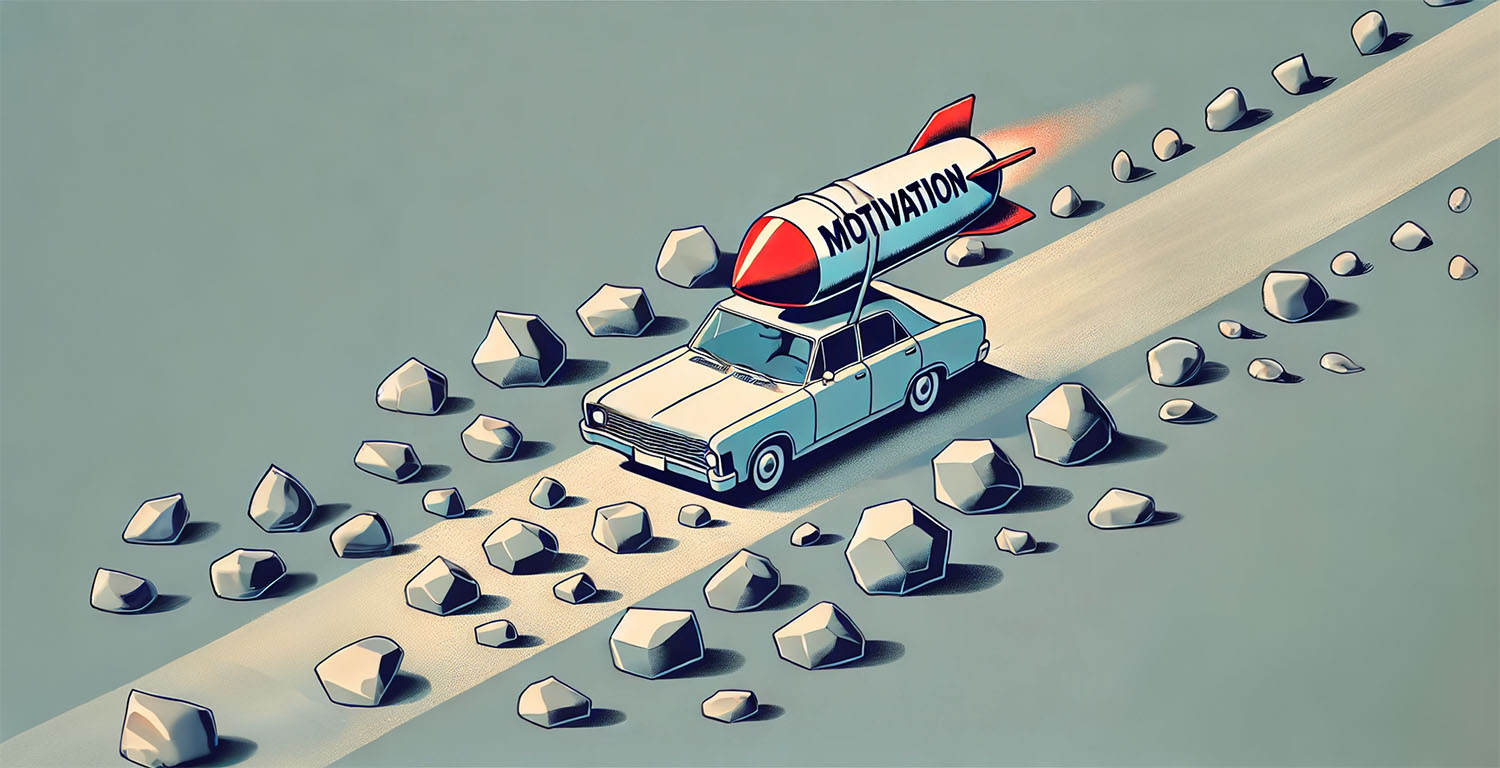
How motivation drives product traction beyond mere ease of use
AI + Your Team = A fast-track to real product insights
AI says YES, but reality says NO
Nudges are overrated. Discover why bold system design—not tweaks—is the key to real behavior change.
How behavioral economics can change financial futures
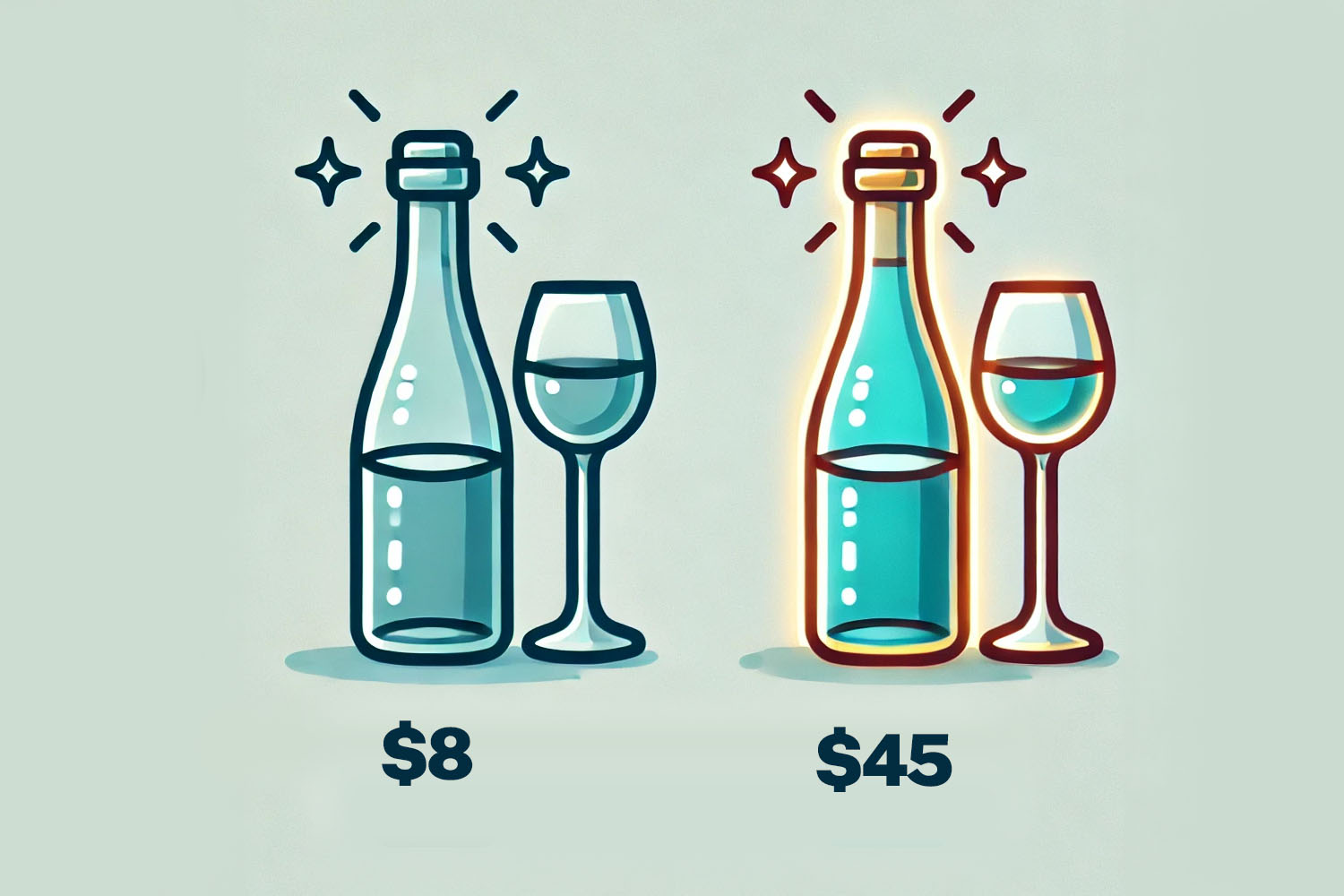
Increase prices without fuss by understanding and influencing customer perceptions
Focus on happy, paying customers to align and simplify your business strategy.
Use the INCASE framework to prevent unintended consequences in product design by aligning user engagement with design goals.
Drive sustainable consumer behavior through storytelling, cognitive dissonance, and social proof.
Managing product experiments like an investment portfolio
Product doesn’t stand alone. Product and design are business functions.
Persuasive design can backfire and cause unintended consequences, leading to mistrust and negative outcomes.
How experimentation powers business growth
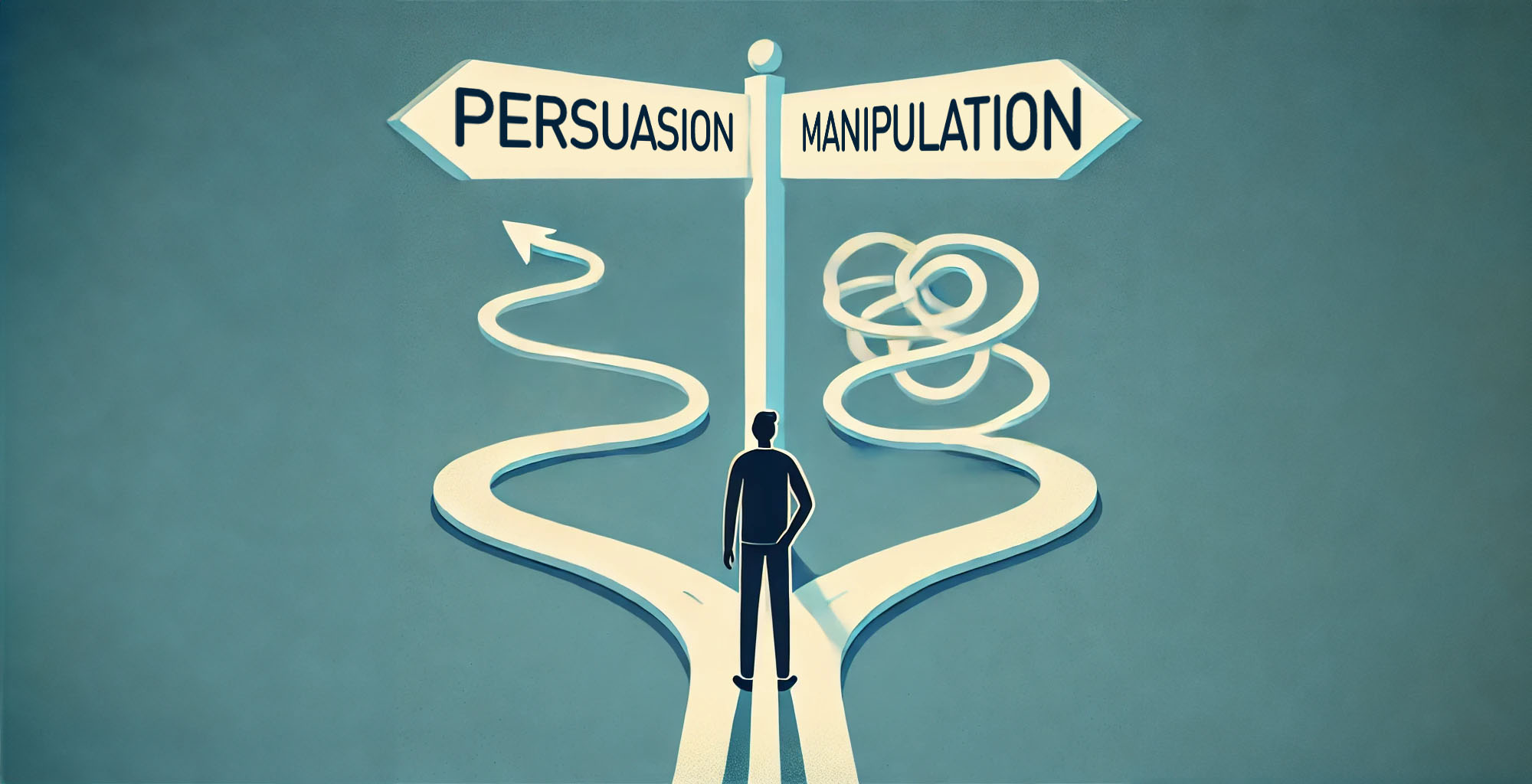
Navigating the fine line between persuasive and ethical design.
Simple and easy-to-pronounce names stick in consumers' minds, creating stronger brand connections.
Take your first steps toward applying product psychology to design user-centered products that align with business goals.
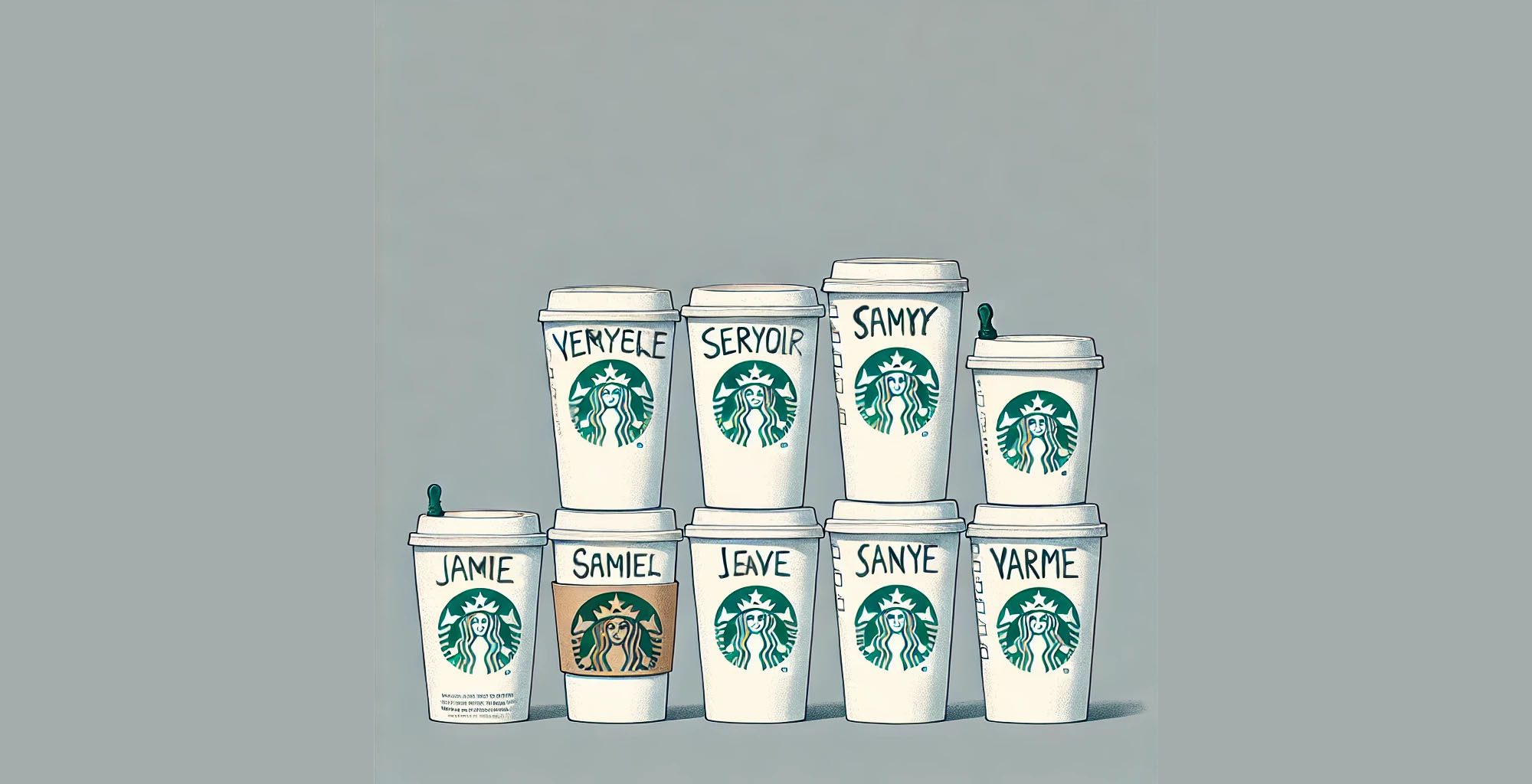
How personalization increase customer satisfaction through name-based order identification.
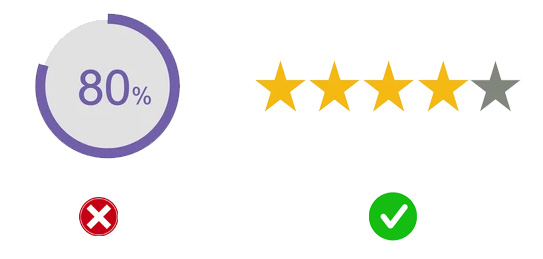
How to use star ratings to influence product perception and boost customer engagement.
A small group can catalyze significant social change.
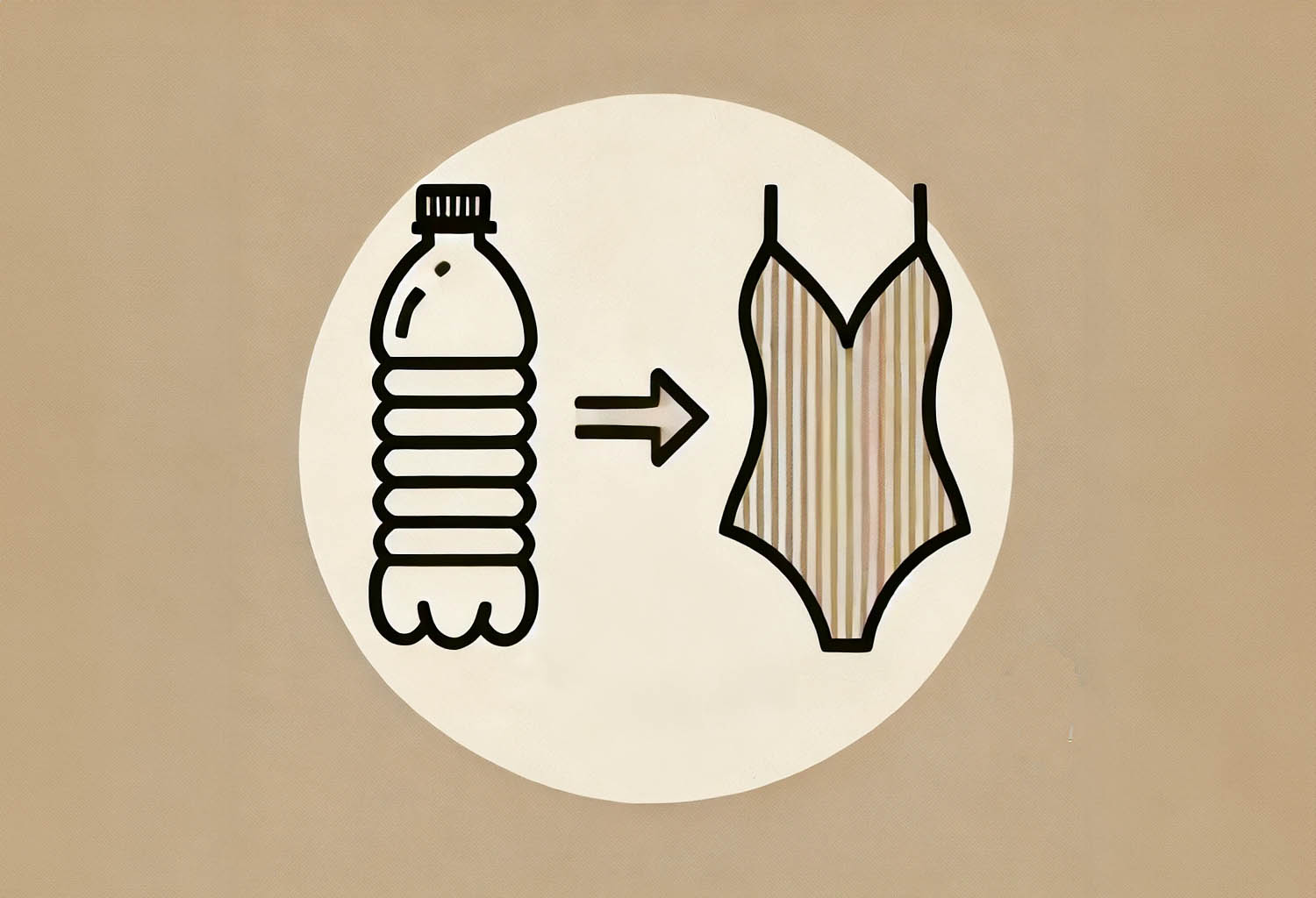
Inspire recycling behavior by highlighting product transformations and positive impacts.
Apple disrupted the market with affordable, accessible tech solutions.
Revealing a product's internal structure through visuals can build trust, foster understanding, and create an emotional connection.
Walmart's secret weapon: disrupting your shopping routines to boost sales.
People are willing to pay more for products with a pleasing sensory experience
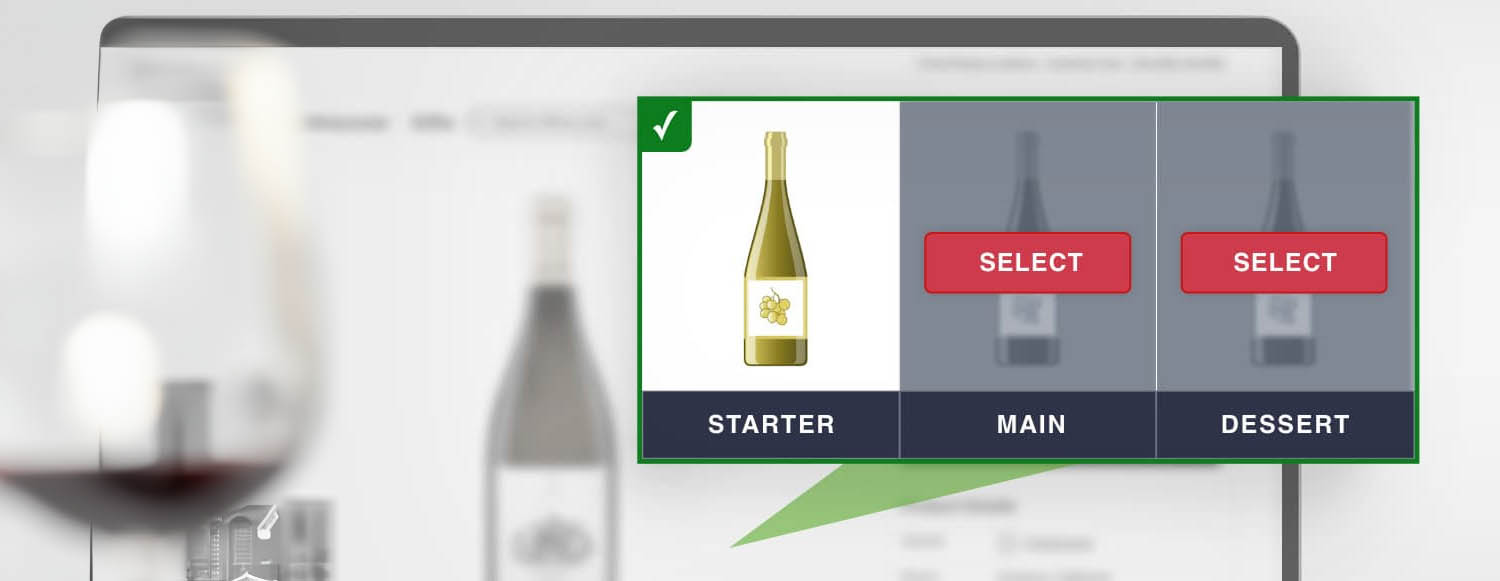
Discover how presenting a pre-completed task can boost engagement and drive sales.
Celebrate small wins to boost engagement, motivation, and overall user satisfaction.
Small mistakes can make competent individuals more likable, fostering stronger relationships and boosting self-esteem.
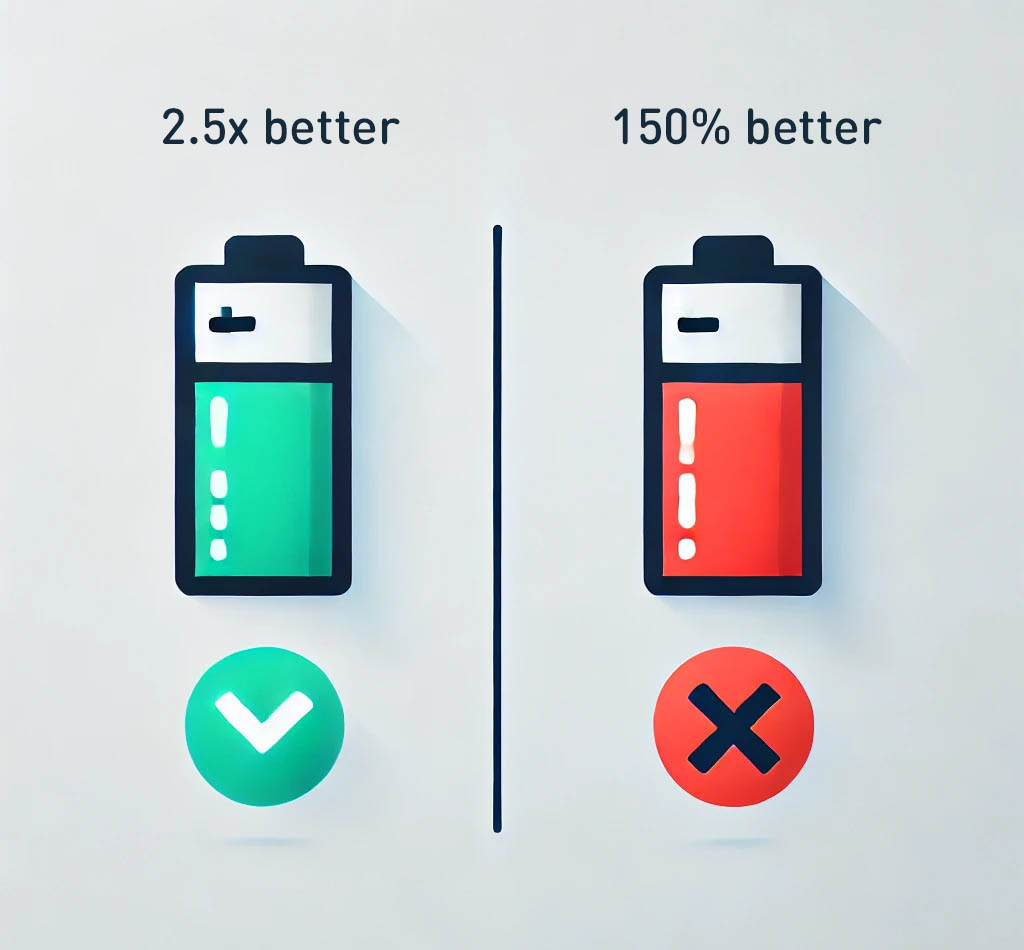
We underestimate large percentage increases. Use clear language and context to avoid confusion.
Mentors can help employees navigate organizational change by providing guidance, feedback, and helping develop skills and knowledge.
Mentors can help employees navigate changing dynamics and processes as it becomes incresingly more difficult for employees to navigate new realities of organizational change.
Mentors can help your product team improve decision making, spark innovation, increase productivity, shorten time to market, and increase employee engagement and retention.